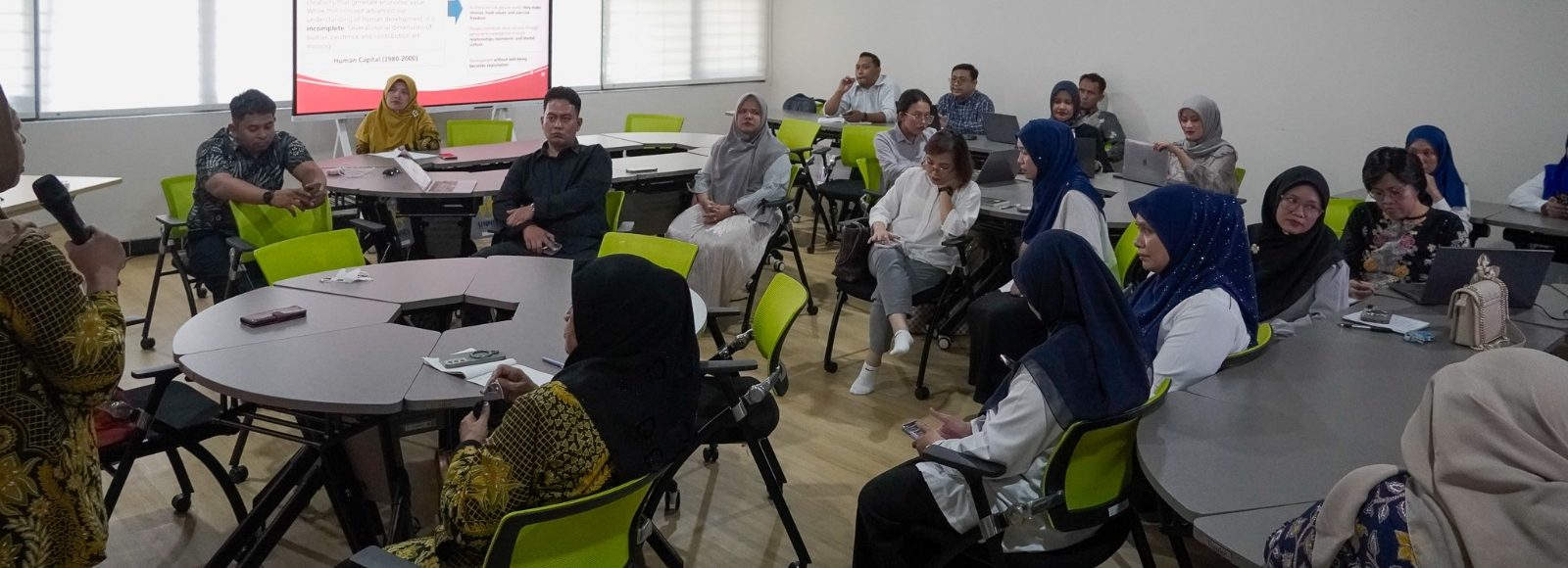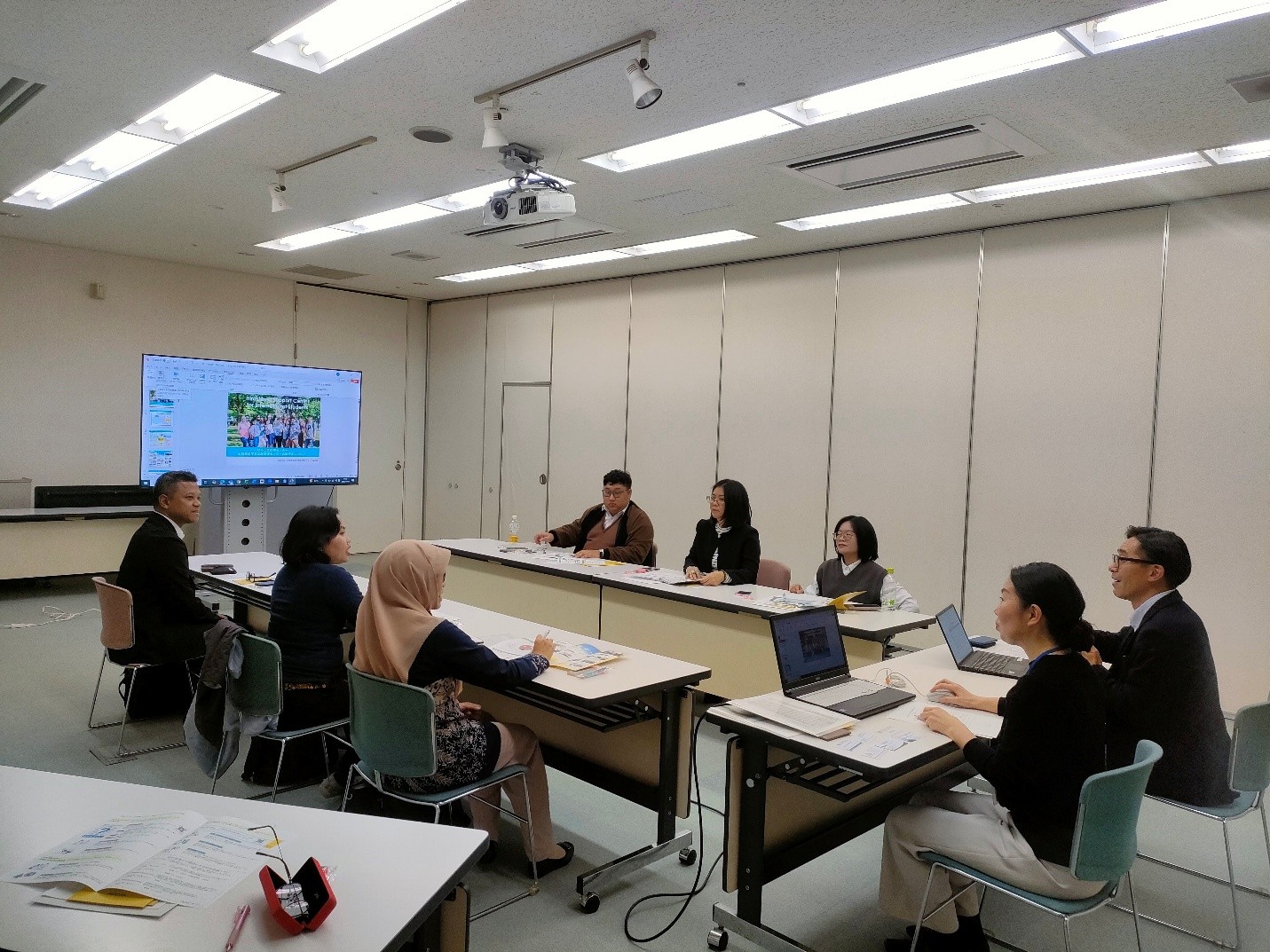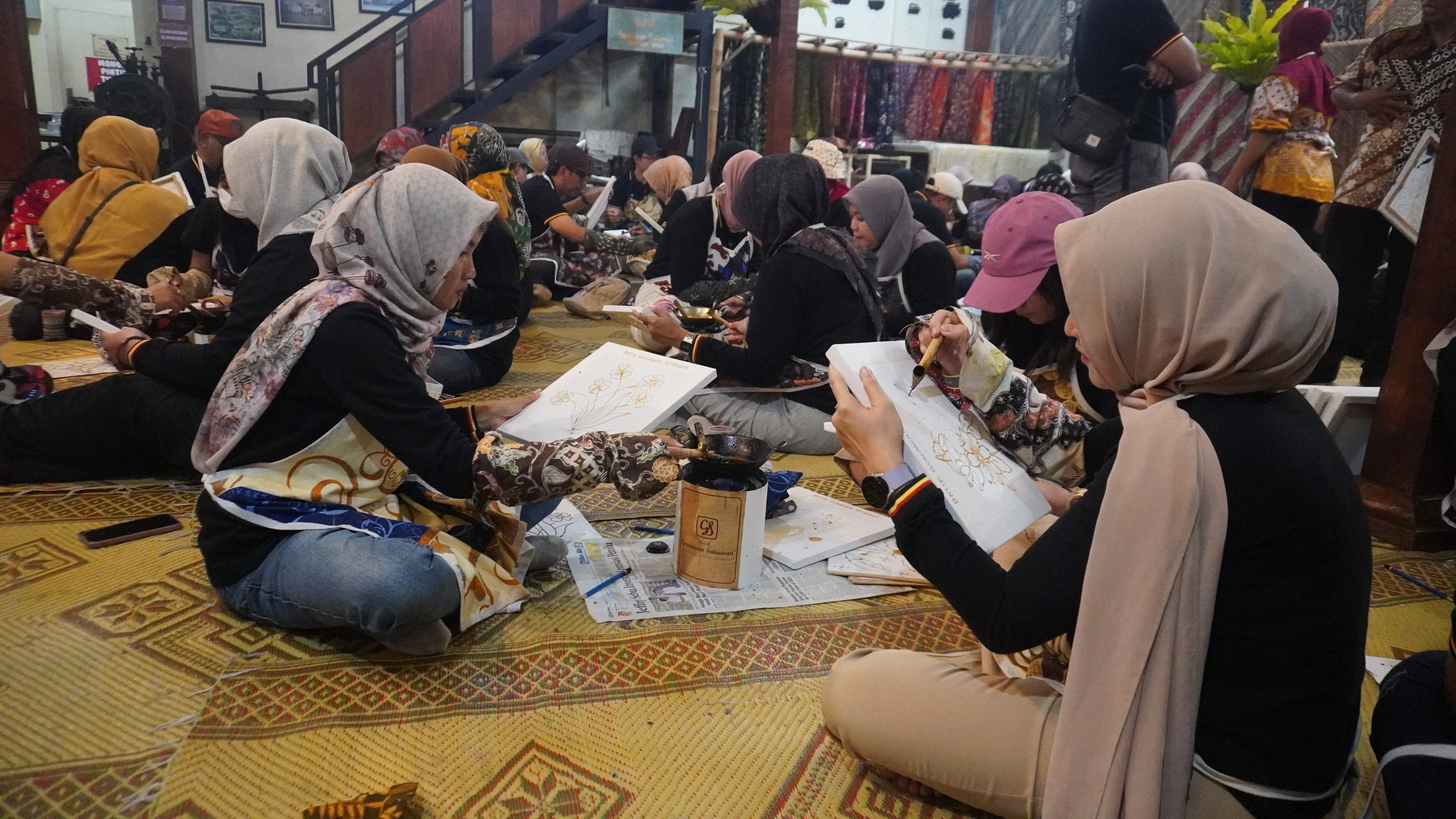
The Faculty of Social and Political Sciences (FISIP), Universitas Negeri Semarang (UNNES), conducted an educational visit to Kampung Batik Kauman, Surakarta, on Thursday (29 January 2026). The activity took place at Batik Gunawan Setiawan and was attended by approximately 150 lecturers and educational staff of FISIP UNNES, led by the Dean of FISIP UNNES, Prof. Dr. Arif Purnomo, S.Pd., S.S., M.Pd., along with the faculty’s leadership team.
The visit aimed to provide first-hand learning experiences for lecturers and educational staff regarding culture-based creative economic practices as a source of inspiration for strengthening learning, research, and community engagement aligned with the Sustainable Development Goals (SDGs). Batik Gunawan Setiawan is one of the traditional batik artisans in Kampung Batik Kauman that consistently preserves the heritage of hand-drawn batik while also offering educational activities for visitors. In addition to producing batik, the site provides learning spaces that introduce batik motifs, philosophical meanings, and hands-on batik-making practices.
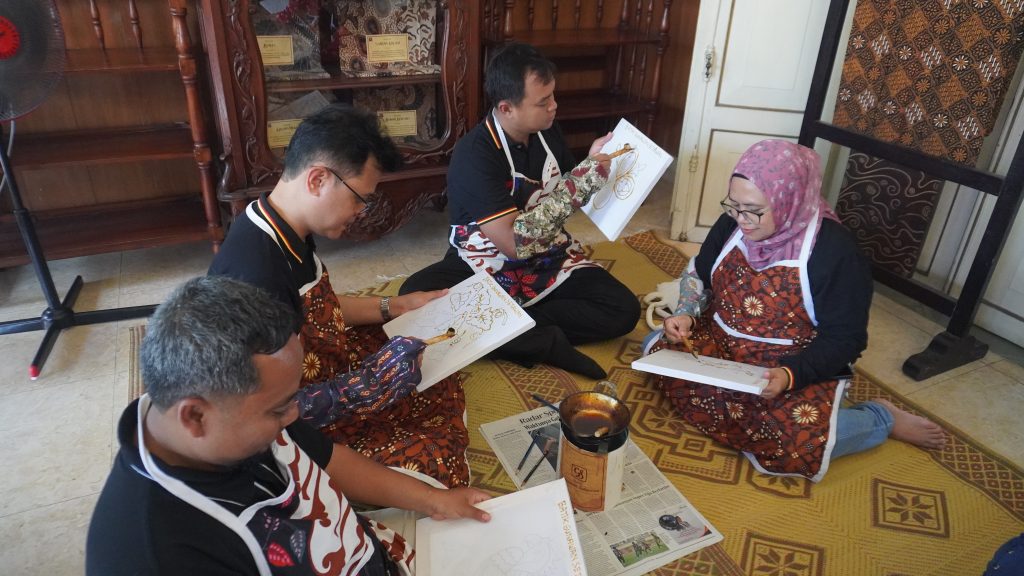
During the visit, participants not only received explanations about the history and development of Kauman batik but also took part in practical batik-making sessions. This direct experience offered valuable insights into how cultural heritage can be managed sustainably while contributing to the empowerment of local communities and the strengthening of the creative economy.
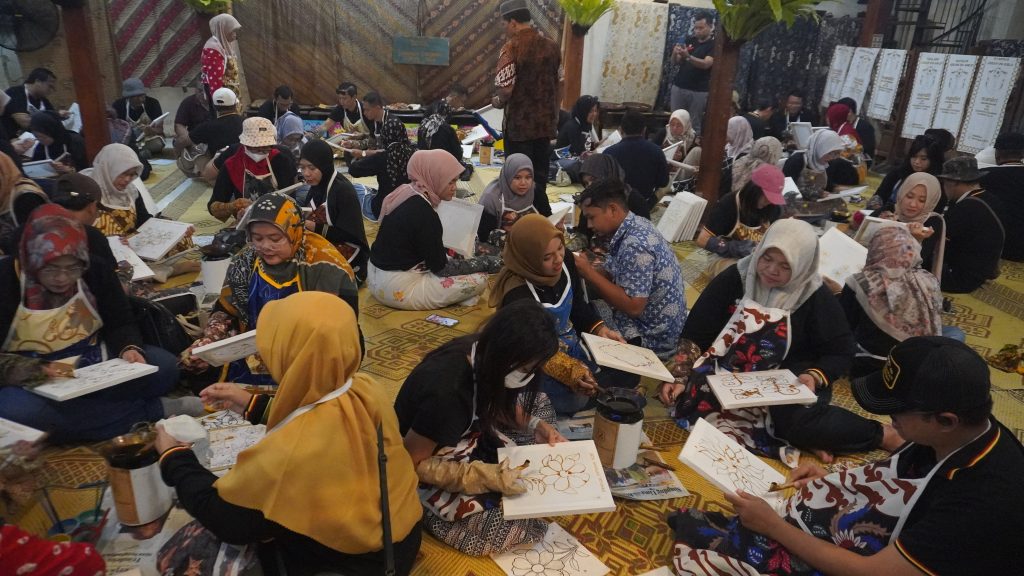
Prof. Dr. Arif Purnomo stated that the activity was expected to broaden the perspectives of lecturers and educational staff in designing academic programs that integrate cultural values, economic development, and sustainability principles. He emphasized that field-based learning experiences are essential to provide concrete references for incorporating cultural and SDGs-related issues into teaching, research, and community service activities at FISIP UNNES.
Meanwhile, the Vice Dean for Business, Research, and Partnerships, Dr. Sos. Puji Lestari, M.Si., expressed her appreciation for the hands-on batik practice provided during the visit. According to her, such experiential learning activities can serve as valuable inspiration for lecturers in developing learning approaches relevant to sustainable development issues. She also highlighted that culture-based creative economic practices, such as batik production, are closely linked to the achievement of SDG 1 (No Poverty) and SDG 8 (Decent Work and Economic Growth) through community empowerment and the strengthening of local economic potential.
Through this activity, FISIP UNNES hopes that lecturers and educational staff will gain meaningful insights that support the development of academic activities oriented toward sustainable development and the preservation of cultural heritage, in line with UNNES’s commitment to contributing to the achievement of the SDGs.