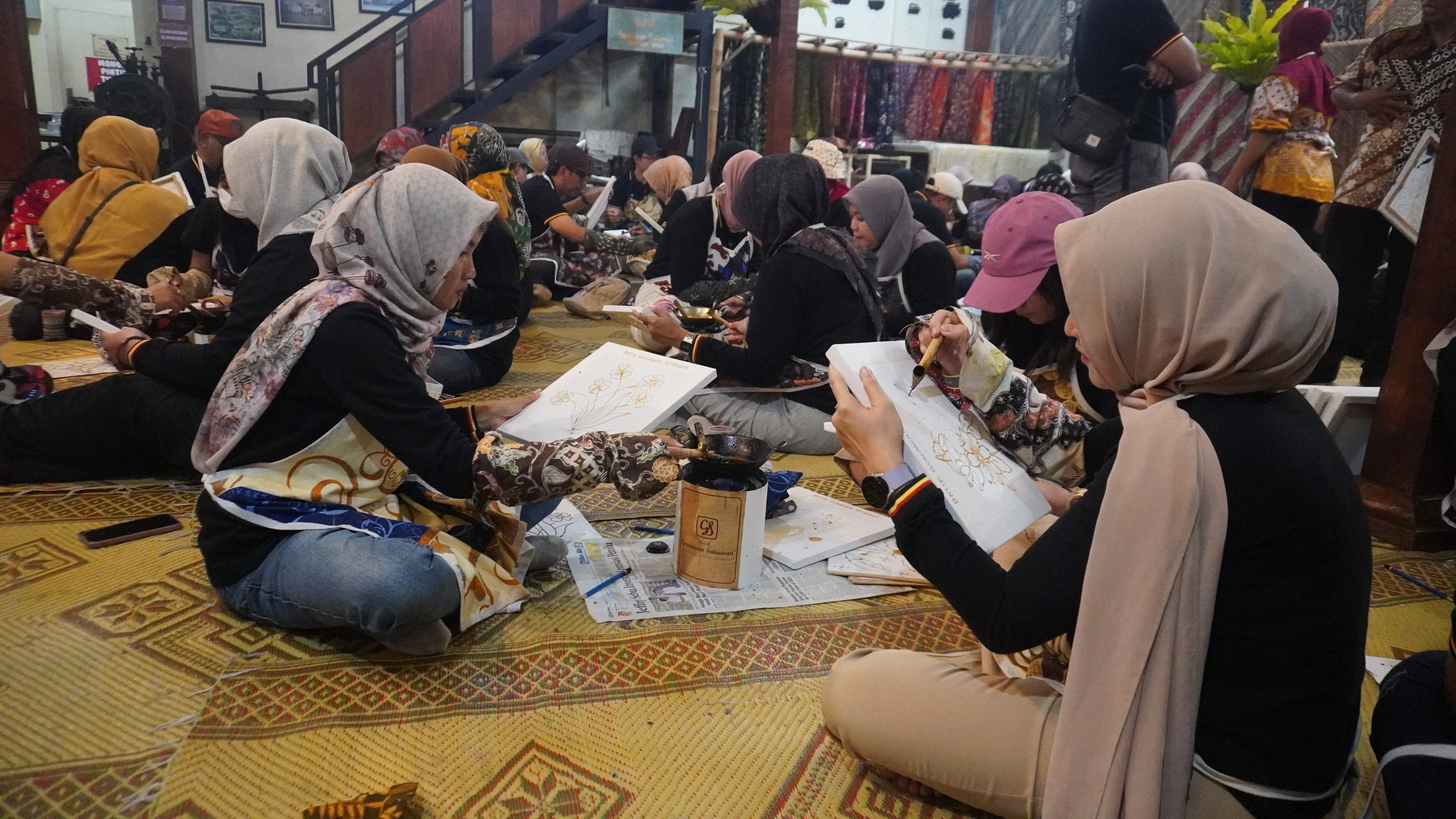
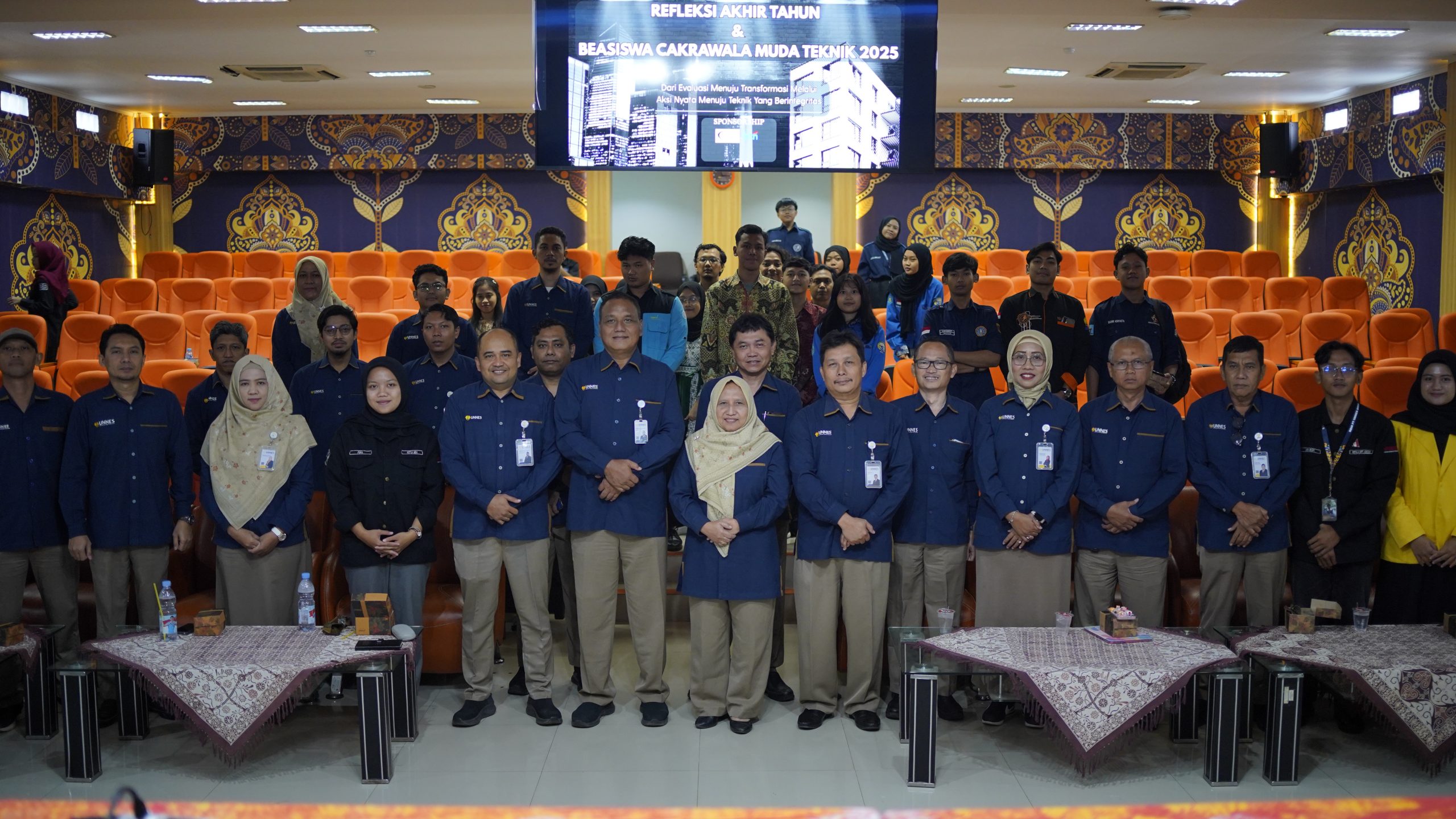
As part of its mission as a Conservation University committed to improving community welfare and sustainable development, Universitas Negeri Semarang (UNNES) has implemented several community service programs in 2024 to enhance access to basic services such as health, nutrition, sanitation, and clean water. These initiatives, led by lecturers and students across different faculties, aim to empower local communities and promote healthier, more sustainable living environments.
One of the flagship programs, “Management of TOGA Herbal Gardens for Public Health Improvement” (March 2024), organized by FMIPA UNNES, supports households in cultivating Tanaman Obat Keluarga (family medicinal plants). The project helps families reduce medical expenses and encourages the use of natural remedies for better nutrition and wellness.
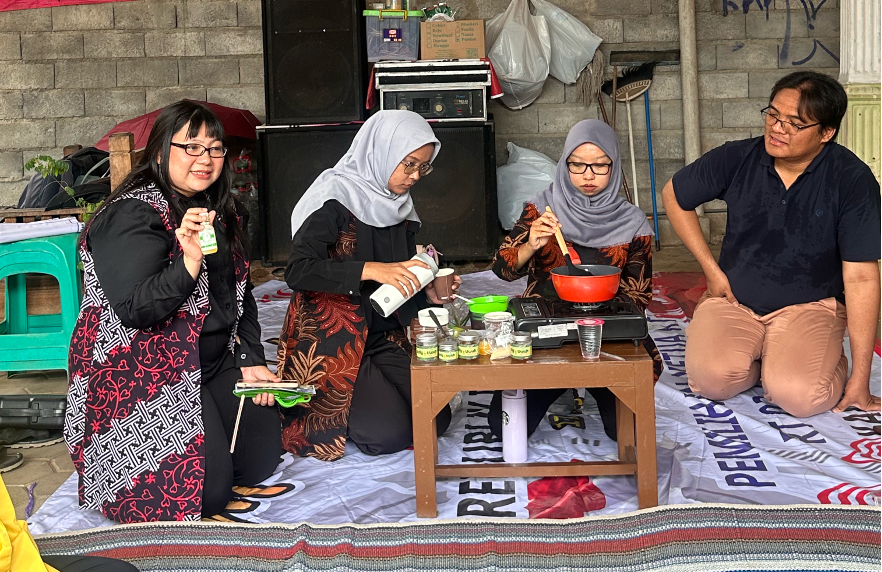
Another impactful initiative, “Eat Like a Champion: The Role of Nutrition for Health and Performance” (April 2024), provided public education and workshops on balanced diets and the importance of proper nutrition, particularly for youth and athletes, to improve endurance and quality of life.
To address water and sanitation challenges, UNNES conducted the “Community-Based Waste and Clean Water Management Program” (April 2024) in rural partner villages. The program trained residents to implement simple waste-processing and clean-water systems to improve sanitation and reduce environmental pollution.
In the “UNNES Supports Integrated Primary Health Services Pilot Project in Bulusan, Semarang” (June 2024), with efforts to achieve zero stunting for toddlers and better integration of health services through a centralized posyandu (community health post) system. Previously, different age groups had separate sessions, but now all groups—toddlers, youth, adults, and the elderly—are served together for convenience and efficiency.
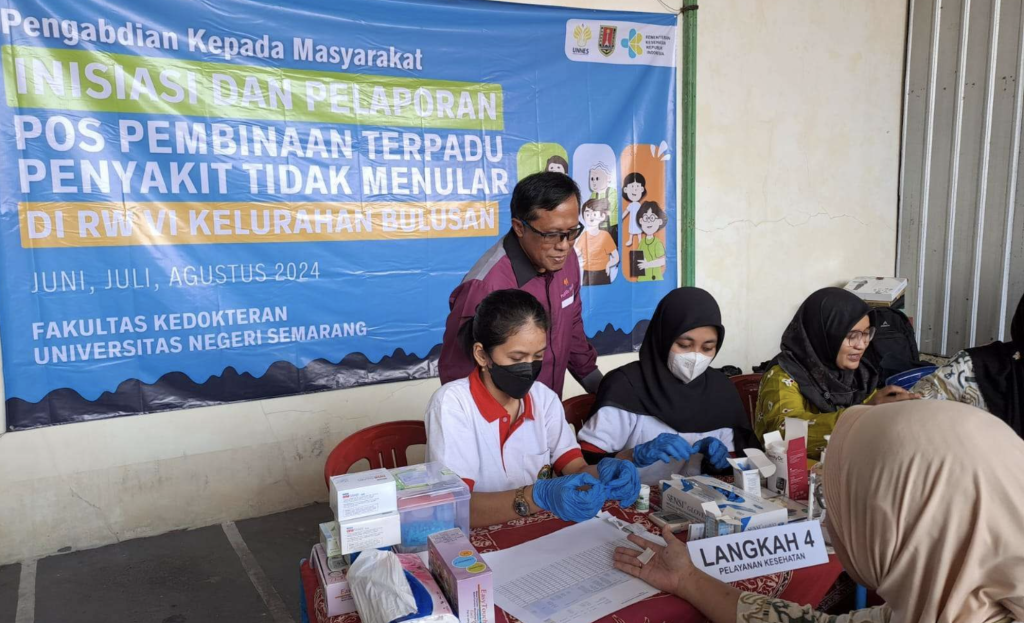
Meanwhile, in partnership with Ayo Semarang, UNNES organized the “Early Detection of Non-Communicable Diseases Program” (June 2024), offering free health check-ups and lifestyle education to prevent hypertension and diabetes in the surrounding communities.
Through these integrated efforts, UNNES continues to promote equitable access to basic health, sanitation, and environmental services, empowering communities to lead healthier, cleaner, and more sustainable lives — a tangible reflection of the university’s commitment to social responsibility and sustainable development.