The transformation of primary health care services in Indonesia demands the active involvement of all community elements, including health cadres, in supporting data recording and management for elderly health assessments. In response to this challenge, the Faculty of Medicine at Universitas Negeri Semarang (UNNES) initiated a socialization activity for Posyandu ILP (Integrated Primary Services) health cadres within the Kedungmundu Community Health Center (Puskesmas) area in Semarang City.
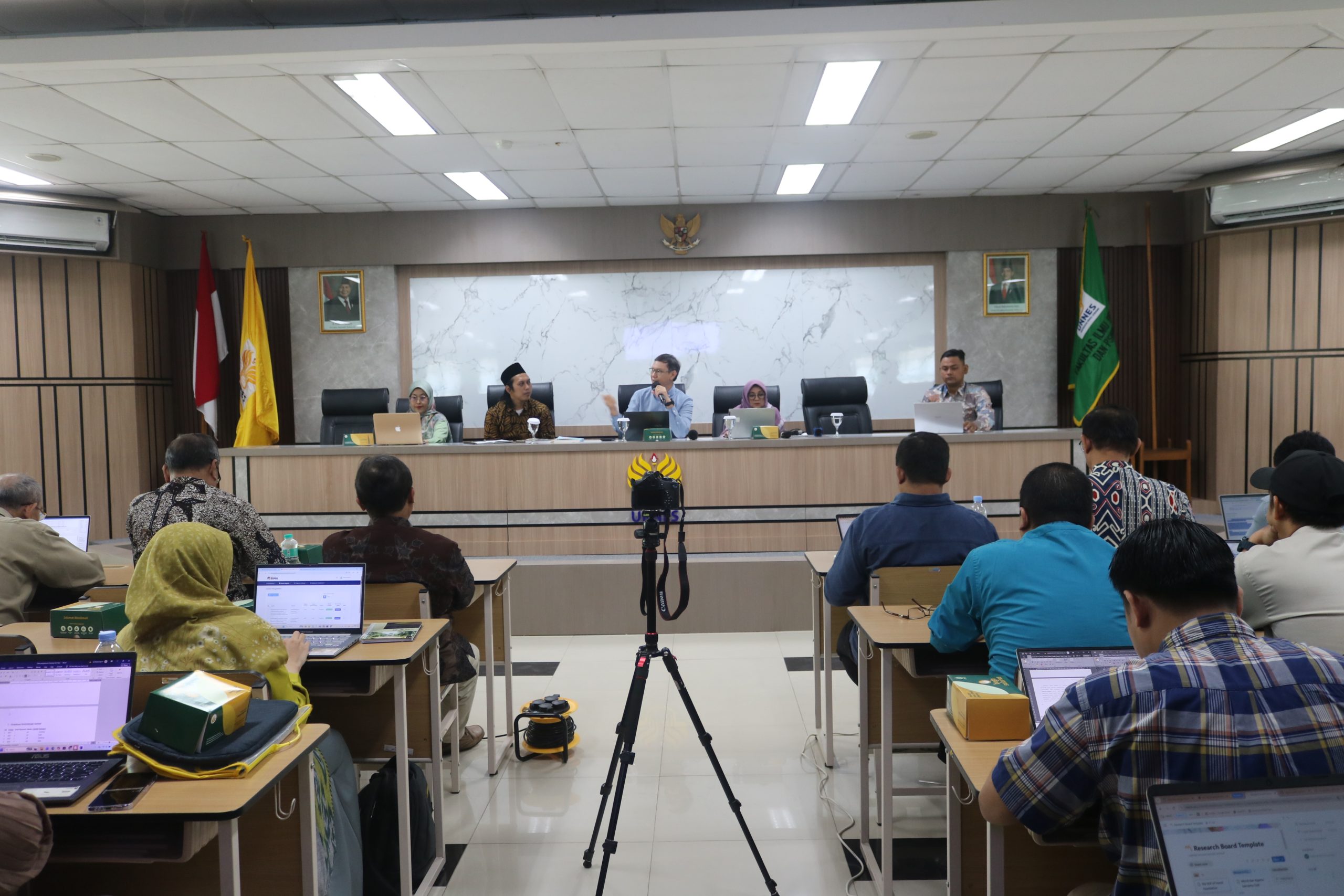
The event took place on Tuesday, July 8, 2025, involving 30 cadres from the Kedungmundu Puskesmas. It aimed to strengthen the capacity of cadres in community health data recording through the introduction of two primary tools: the MONALISA Book (Elderly Health Monitoring) and the Cadre’s Record Book, which contains formatted tables for recording examination results.
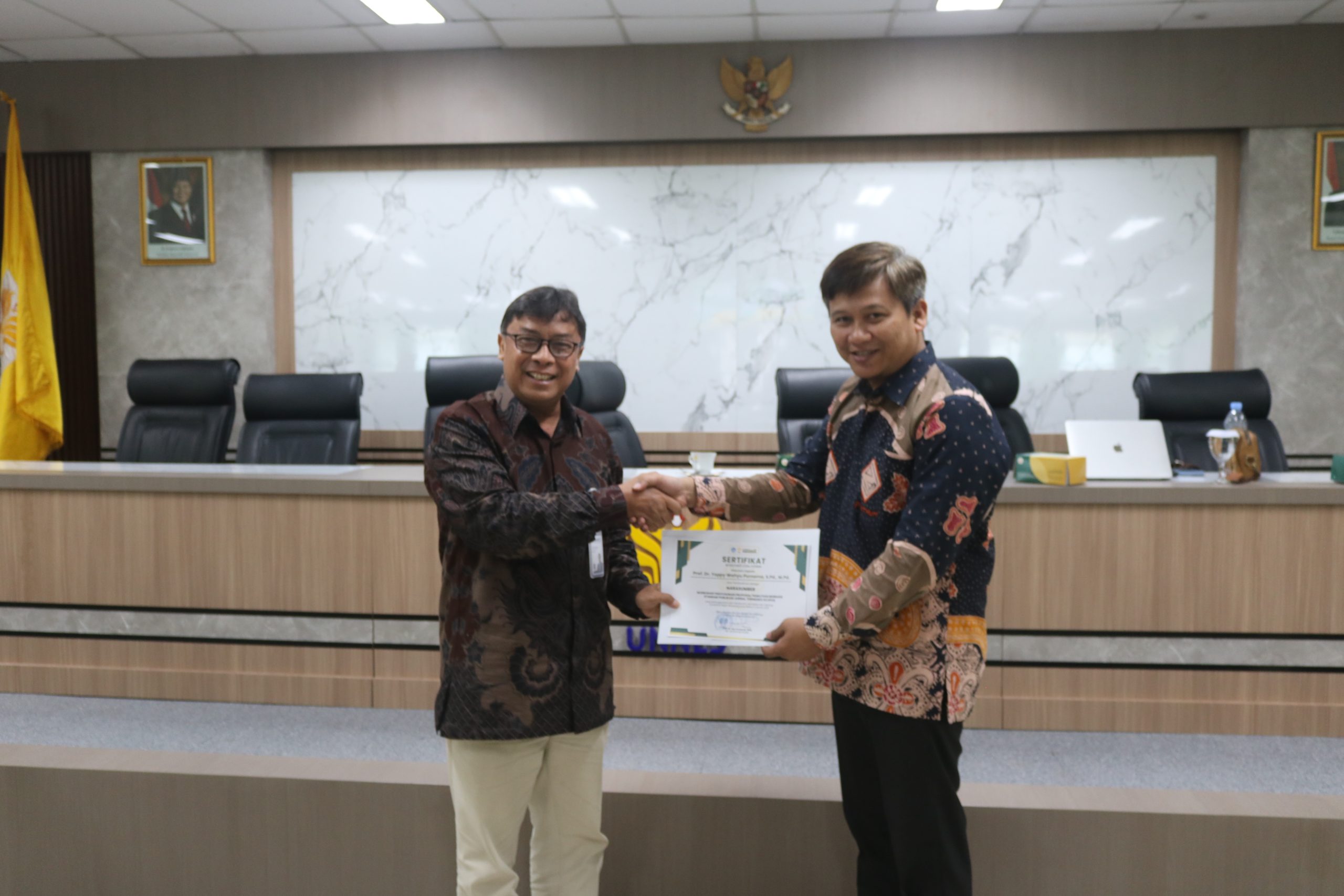
The event began with remarks from the Head of Kedungmundu Puskesmas, Dr. Gita Nur Fitriandari, who expressed appreciation to the UNNES medical team for their active role in enhancing primary healthcare, particularly by empowering cadres. In her address, she emphasized the vital role of cadres in the success of the ILP Posyandu program, especially in accurate and integrated health data documentation. Mrs. Susana, who oversees the elderly Posyandu program, also welcomed the Cadre’s Record Book, stating it simplifies the recording process. This book is expected to serve not just as an administrative document, but as a reflective tool on elderly health conditions for preventive and promotive action.
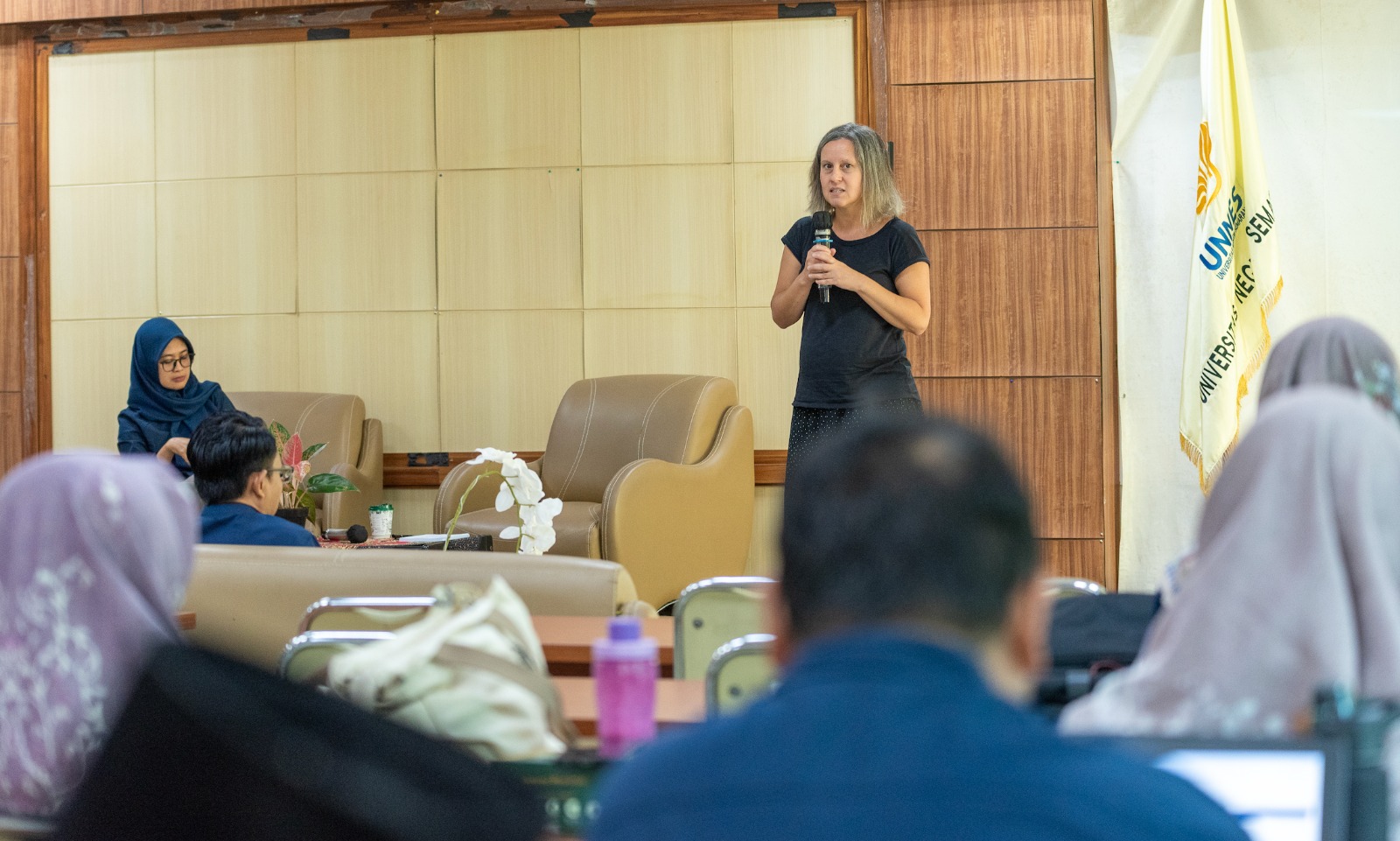
The main material was presented by the UNNES community engagement team, represented by Mrs. Putri Tiara Rosha, S.K.M., M.P.H., a lecturer in Public Health at UNNES. She explained that the MONALISA Book and the Cadre’s Record Book were developed based on prior assessments of cadres’ needs. Discussions and observations revealed that cadres had difficulty maintaining neat, standardized, and easily analyzable health records. These books were therefore systematically designed to support practical and structured elderly health documentation. The MONALISA Book serves as the personal health record for elderly participants.
The ILP Posyandu Cadre’s Record Book is designed to record the health history of elderly participants who regularly attend Posyandu activities. It includes identity information and results from seven health components: body weight, height, waist circumference, blood pressure, random blood glucose, other lab tests, and independence level. The book is equipped with clear filling instructions and monitoring notes that can be used by both cadres and healthcare professionals for follow-up actions.
In addition to explaining the content of the books, the team also guided the cadres on how to fill them out. This session aimed to ensure cadres not only understood the theory but could also apply the recording methods according to the established standards. The session was interactive, allowing cadres to ask questions and discuss challenges they previously encountered in health data recording.
With the MONALISA Book and Cadre’s Record Book in place, it is expected that elderly health data recording will become easier, more uniform, and usable as a basis for decision-making by health centers and related agencies. These tools also enhance the role of cadres as extensions of healthcare facilities in the community, capable of early detection of health changes in the elderly and timely referrals.
This activity is a concrete example of collaboration between higher education institutions and primary health services in efforts to improve community quality of life, particularly among the elderly. Moving forward, the Faculty of Medicine at UNNES remains committed to contributing through community service programs grounded in field needs and promoting the independence of health cadres in fulfilling their professional roles.