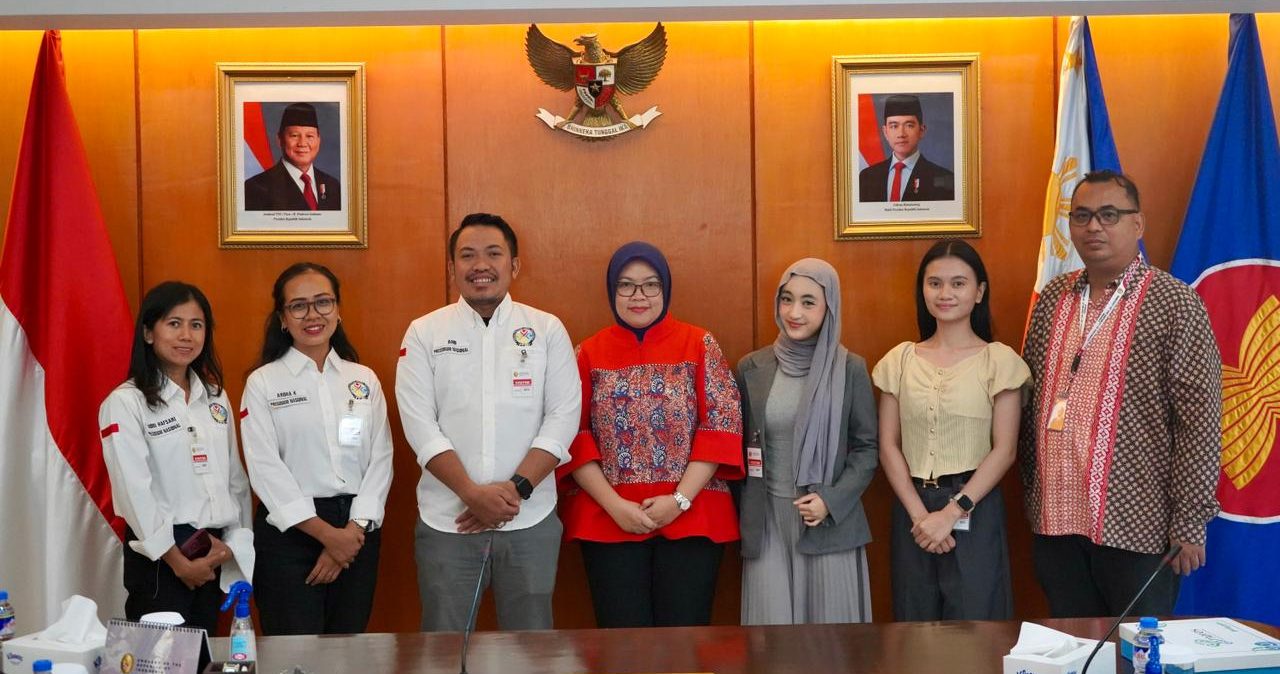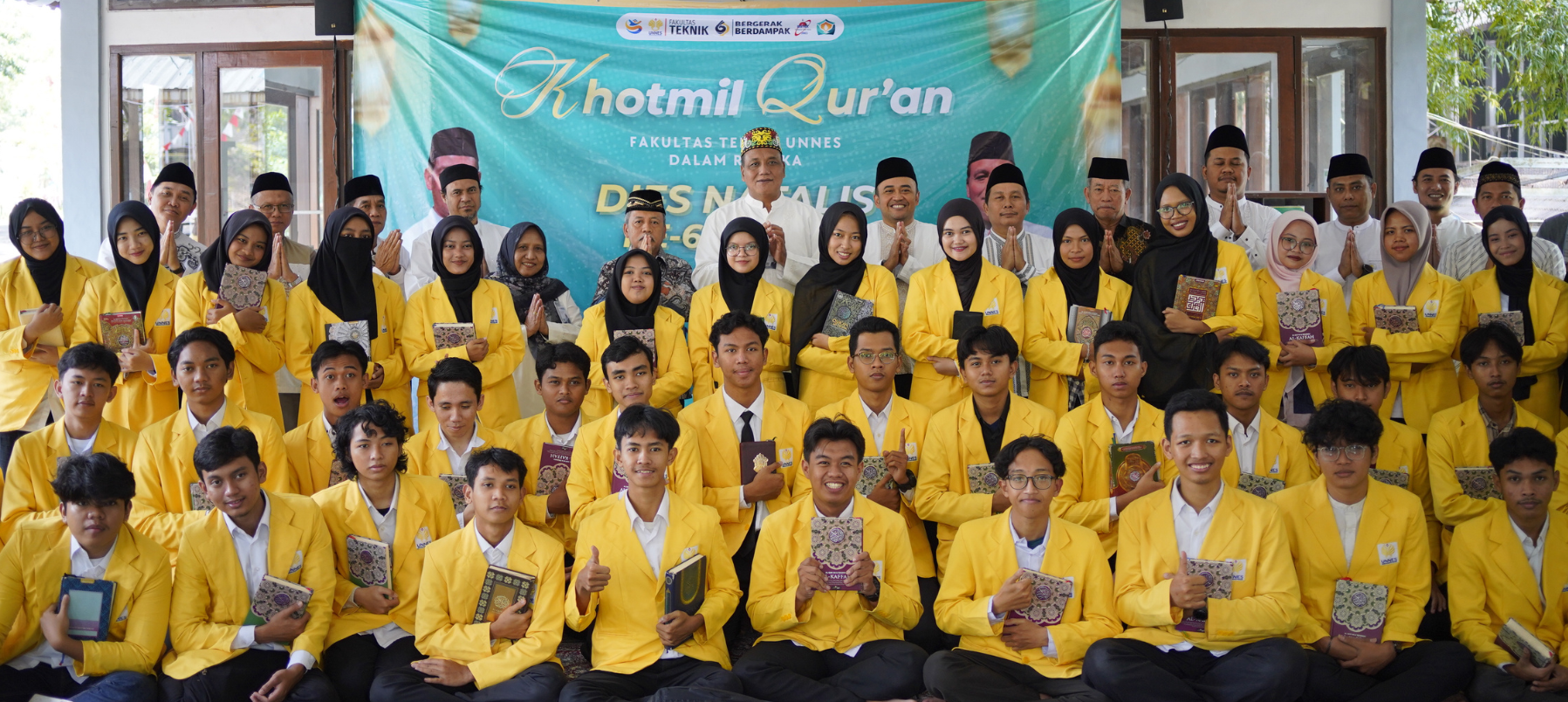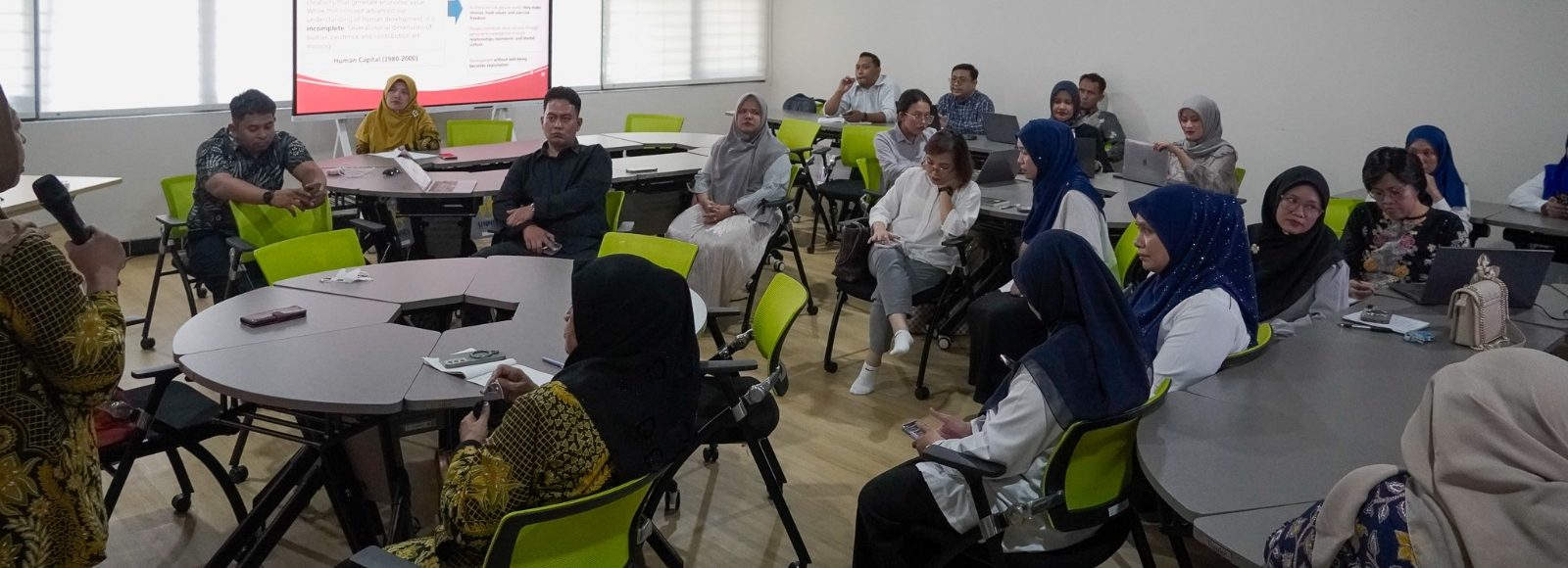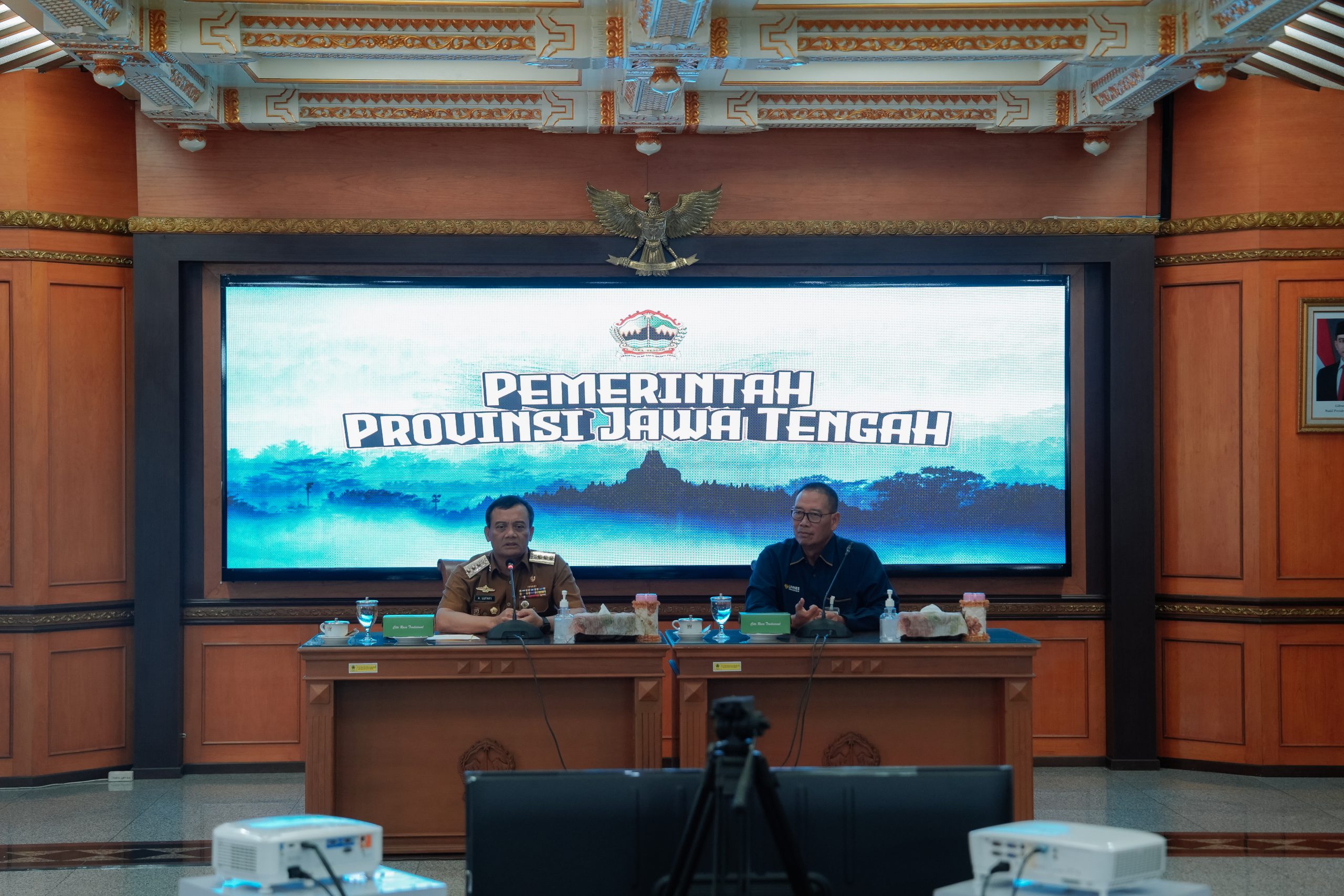
Universitas Negeri Semarang (UNNES) continues to demonstrate its strong commitment to strengthening evidence-based governance through collaborative research with various regional governments. As a Legal Entity State University (PTN-BH), UNNES positions itself not only as a higher education institution producing qualified graduates but also as a strategic partner of government bodies in formulating public policies that are solution-oriented, adaptive, and focused on social welfare.
In recent years, UNNES has consistently established research collaborations with several regional governments, including the City of Semarang, the City of Magelang, Batang Regency, Kendal Regency, and the community of Lerep Village in Semarang Regency. These initiatives reflect the university’s continuous efforts to produce research that is both applicable and relevant to the practical needs of regional development.
Together with the Semarang City Government, UNNES researchers conducted a comprehensive study on the Food Supply Chain Information System (SI-Pasok Pangan), which aims to strengthen Semarang’s position as a self-sufficient food city. The study produced an integrated and efficient supply chain model that improves monitoring and coordination of food distribution across the city. The full report and executive summary of this research, available publicly through the Final Report on the Food Supply Chain Information System and Executive Summary SI-Pasok Pangan 2024 , provide key recommendations for developing transparent and sustainable food policies. This initiative directly supports the Smart City agenda of Semarang while showcasing UNNES’s contribution to data-driven local governance and food security innovation.
Furthermore, UNNES collaborated with the Magelang City Government in developing the Regional Science and Technology Master Plan and Roadmap (RIPJ-PID). This cross-disciplinary study involved experts in education, economics, and spatial planning to identify leading research potentials and strategies for strengthening regional institutional capacity. Through this collaboration, UNNES assisted the Magelang government in designing a long-term policy direction for knowledge-based and innovation-driven development, ensuring that public policies are contextually grounded and sustainable.
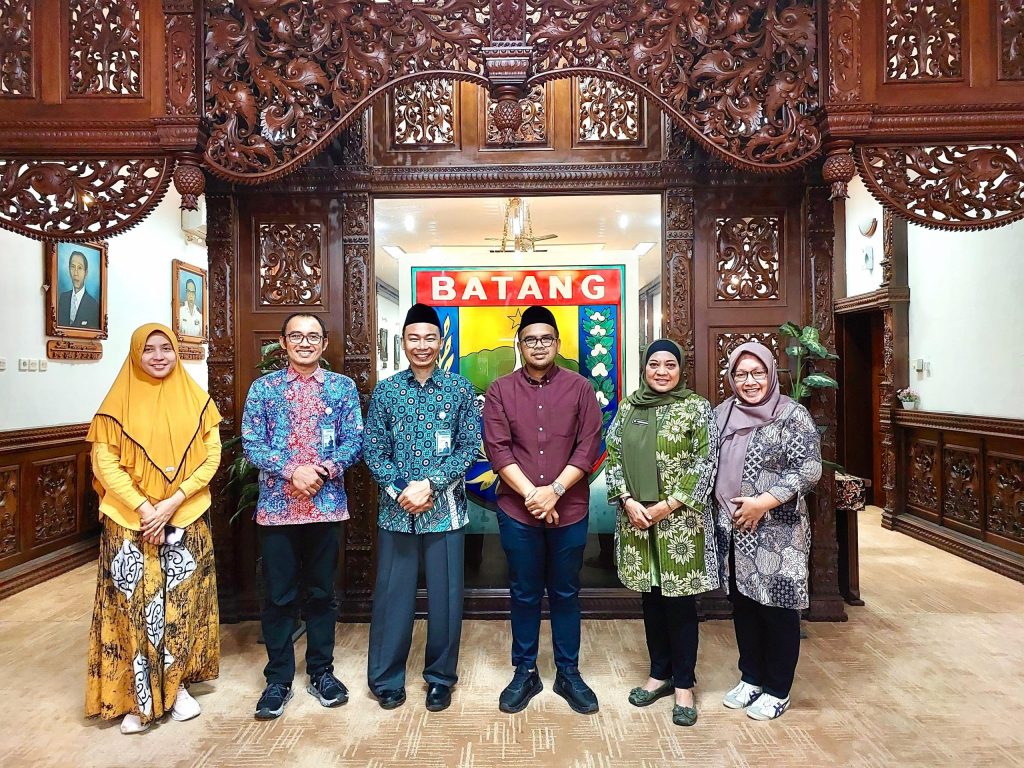
In the field of law and governance, the Faculty of Law (FH UNNES) plays a pivotal role in enhancing legal systems and regional regulatory frameworks. Together with the Batang Regency Government, the faculty carried out collaborative research to formulate data-driven legal policies, strengthen public officials’ capacities, and align local regulations with principles of justice and accountability. A similar collaboration was established with the Kendal Regency Government, focusing on legal policy research and regional regulation development. The faculty also partnered with the Constitutional Court of the Republic of Indonesia in a national competitive research program, where the UNNES team achieved first place in 2021. These partnerships illustrate how UNNES contributes not only to academic progress but also to the development of evidence-based governance and strong legal institutions at the local level.
Beyond institutional collaboration, UNNES actively promotes community-based legal literacy through the establishment of the Lerep Village Legal Laboratory in Semarang Regency. The laboratory serves as a participatory research platform that engages residents in drafting village regulations, improving legal awareness, and resolving community disputes through local wisdom. This initiative embodies the university’s mission to integrate its three pillars education, research, and community service—into inclusive and participatory social development.
UNNES Rector Prof. Dr. S. Martono, M.Si., emphasized that all these research collaborations form part of the university’s broader strategy to build academic synergy between higher education institutions and government agencies. He stated that UNNES’s research endeavors are not solely directed toward academic publications but also toward delivering tangible benefits for society.
“We want to ensure that UNNES’s research outcomes serve as a foundation for wiser, fairer, and socially responsible decision-making. Collaboration with local governments is both an intellectual and moral responsibility in our mission to advance sustainable development,” he affirmed.
These various research activities also underscore UNNES’s active role in supporting Sustainable Development Goal (SDG) 16, which focuses on building effective, accountable, and inclusive institutions at all levels. Through its collaborative and data-driven research approach, UNNES contributes to more transparent and participatory governance while strengthening regional policy frameworks in key areas such as food systems, legal reform, and technological innovation.
The university’s commitment to advancing policy-oriented research also reflects its vision as a University for a Sustainable Society, where science and knowledge serve as catalysts for social transformation and national development. Through continuous collaboration with regional governments, UNNES demonstrates how academic research can bridge theory and practice, creating a foundation for fair, adaptive, and sustainable public policies.
With the support of its lecturers, researchers, and institutional research centers, UNNES continues to pioneer efforts to make scientific knowledge accessible and impactful for the wider community. Its sustained engagement in collaborative policy research proves that higher education plays a strategic role in strengthening the foundation of knowledge-based development while expanding long-term social impact for Indonesia.
References
- UNNES Faculty of Law Initiates Collaboration with the Batang Regency Government
- UNNES and UJB Law Faculty Collaboration Wins 1st Place in National Constitutional Court Research Competition
- Lerep Village Legal Laboratory Collaboration between UNNES Faculty of Law and Local Communities
- UNNES Faculty of Law and Research Institute Initiate Partnership with Kendal Regency Government
- Four UNNES Law Faculty Lecturers Conduct Collaborative Research with Chinese Universities
- Final Report and Executive Summary of the Food Supply Chain Information System (SI-Pasok Pangan) Study – UNNES & Semarang City Government (2024)
- UNNES Collaborative Research Documentation Drive