Mastery of foreign languages, especially French, has strategic value in the era of globalization. French is not only important in the world of diplomacy, but also in the fields of technology, creative industries, fashion, culinary arts, and scientific research. To improve the quality of French language learning in high schools, lecturers and teachers need to adopt a Deep Learning approach that emphasizes conscious, meaningful, and enjoyable learning processes.
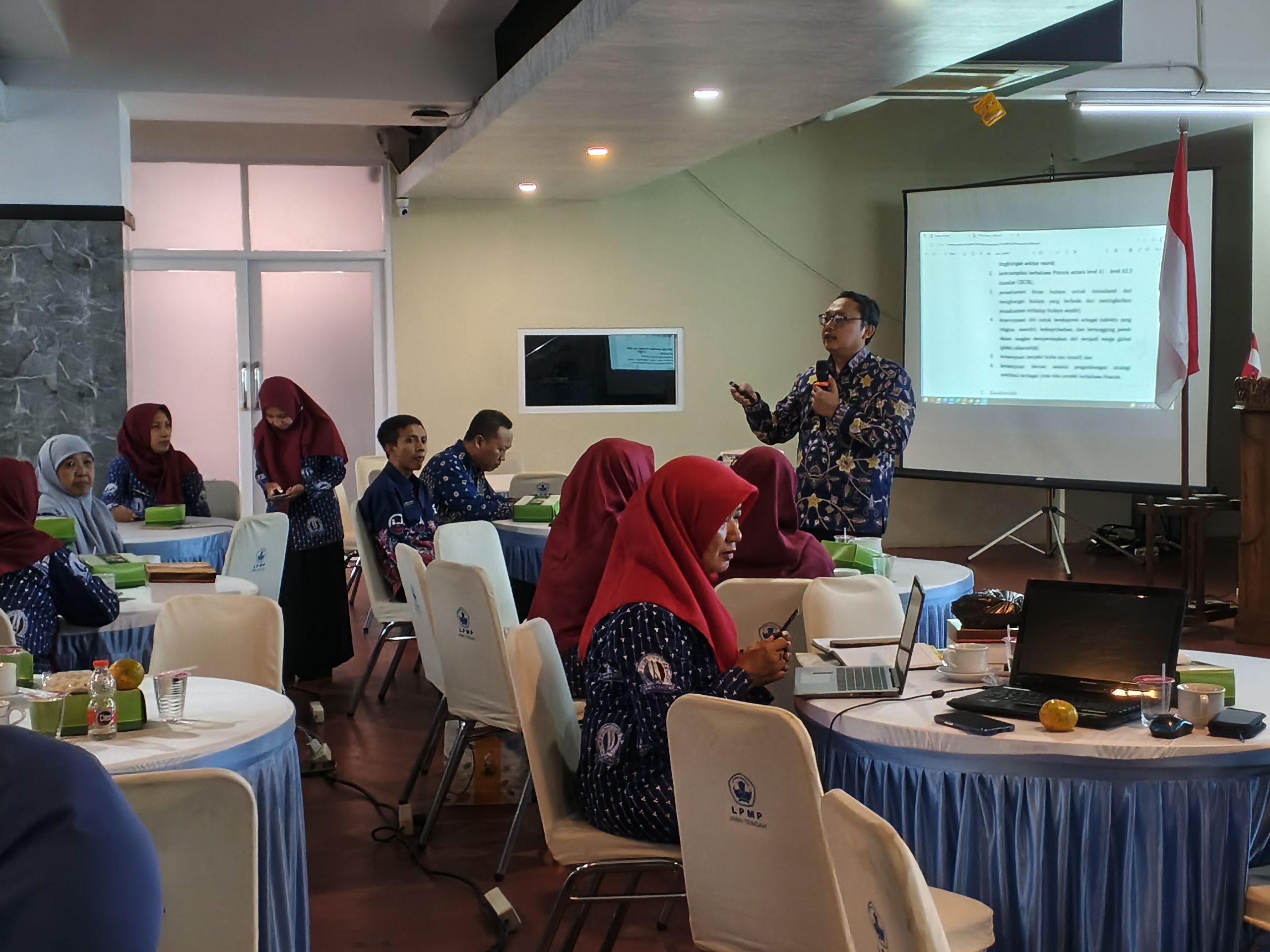
To meet the needs of French language teachers, UNNES held a community service activity for French language teachers who are members of the Central Java French Language Teacher Working Group (MGMP Bahasa Perancis Jawa Tengah) on Friday, August 8, 2025, at the Central Java BBPMP.
The activity was attended by 50 French teachers as part of community service. The aim was to equip French teachers in partner schools with learning strategies that can improve competency achievement in accordance with CECRL level A1–A2.2 standards while integrating the eight dimensions of the Pancasila Student Profile.
The purpose of this activity was to improve the competence of French teachers in designing Deep Learning-based learning. Teachers will then be able to integrate French language learning outcomes (CP) with the principles of awareness, meaning, and enjoyment.
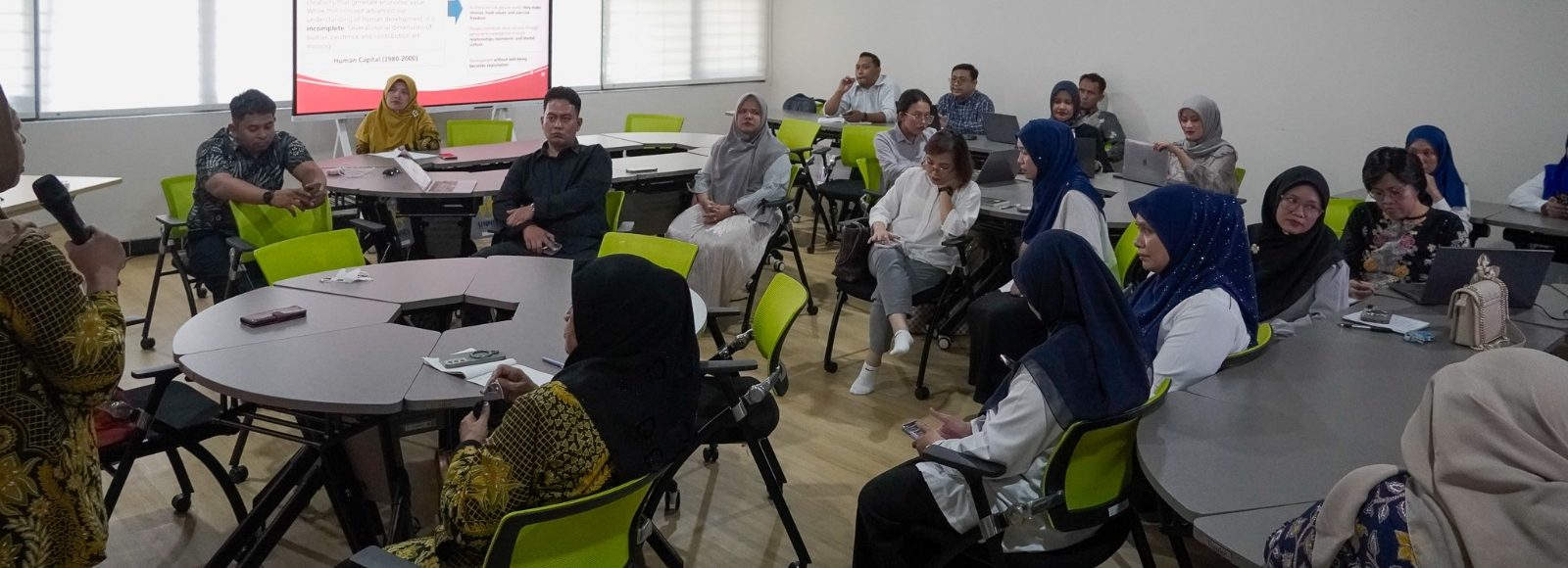
The activities were carried out in theory and mentoring sessions. In the workshop sessions, participants listened to and discussed the conceptual design of deep learning. This activity was followed by mentoring on the preparation of lesson plans that included learning experiences of understanding, applying, and reflecting. Multi-disciplinary integration such as art, culture, and digital technology was also included.
This activity resulted in an understanding of the concept of in-depth learning in French language subjects. Participants were able to relate French language material to the real-life contexts of students (e.g., job interviews, French culinary culture, profiles of world figures); use Project-Based Learning and Inquiry-Based Learning methods to develop creativity and collaboration; and integrate digital media such as Quizizz, Padlet, and Google Meet for synchronous and asynchronous learning.
At the end of the Implementation and Reflection activity, teachers will apply the lesson plans in class, and participants will provide feedback on the activity during a joint reflection session to improve strategies.