


Universitas Negeri Semarang (UNNES) has established a robust institutional process for carbon management and the reduction of carbon dioxide (CO₂) emissions, aligning directly with its identity as a conservation-university and its commitment to Sustainable Development Goal 7 (Affordable and Clean Energy) and SDG 13 (Climate Action). This process is grounded in the Rector’s Decree Number B/3669/UN37/HK.02/2024, which formalises UNNES’s target of achieving carbon neutrality by 2045.
The carbon management system at UNNES involves annual calculation of campus-wide greenhouse gas emissions, covering major sources such as electricity consumption and transportation usage. For example, in 2023 UNNES recorded total emissions of approximately 6,915.109 metric tons CO₂, including 7,007,130 kWh electricity (≈ 5,885.989 t CO₂) and transport emissions from buses, cars and motorcycles.
These baseline data enable the university to monitor performance year by year, identify reduction opportunities, and implement targeted interventions such as energy-efficient equipment replacement, the expansion of renewable energy, and promoting sustainable mobility. UNNES has integrated these actions within its Sustainable Campus Master Plan and green investment strategy, addressing Scope 1 (direct emissions), Scope 2 (purchased electricity) and Scope 3 (other indirect emissions) in its emission-reduction roadmap.
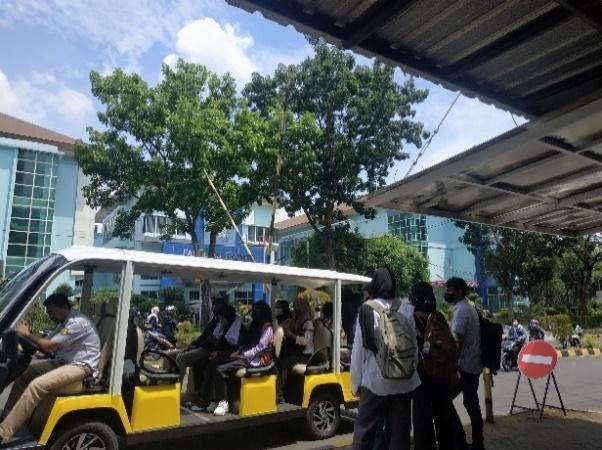
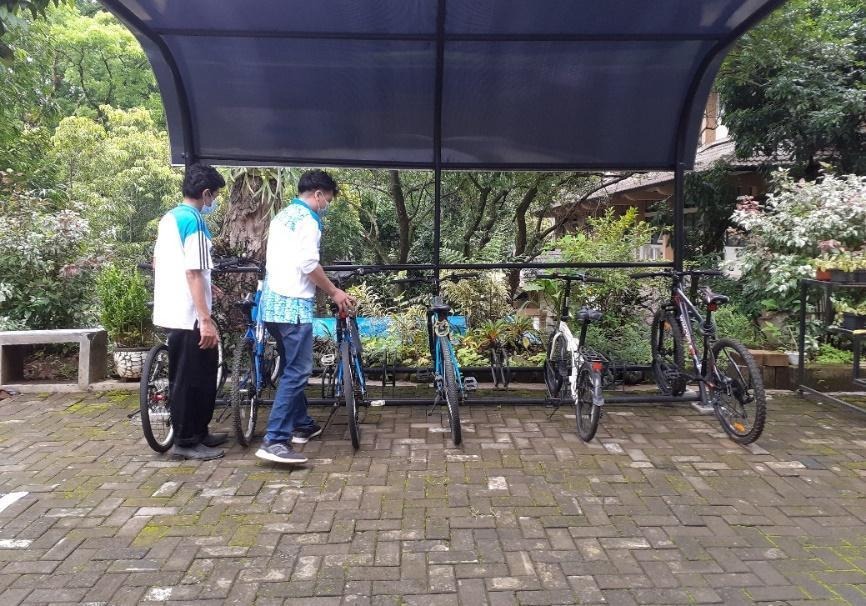
UNNES provides electric car shuttle, electric bicycles, bicycles which can be used around campus. We can monitor the location of the electric shuttle bus every 10 seconds. Parking prohibition is also implemented in some areas. Safe and comfortable pedestrian paths are also provided around campus. Limitation of fossil vehicles in campus gateway for other than the main entrance and only available for pedestrians.
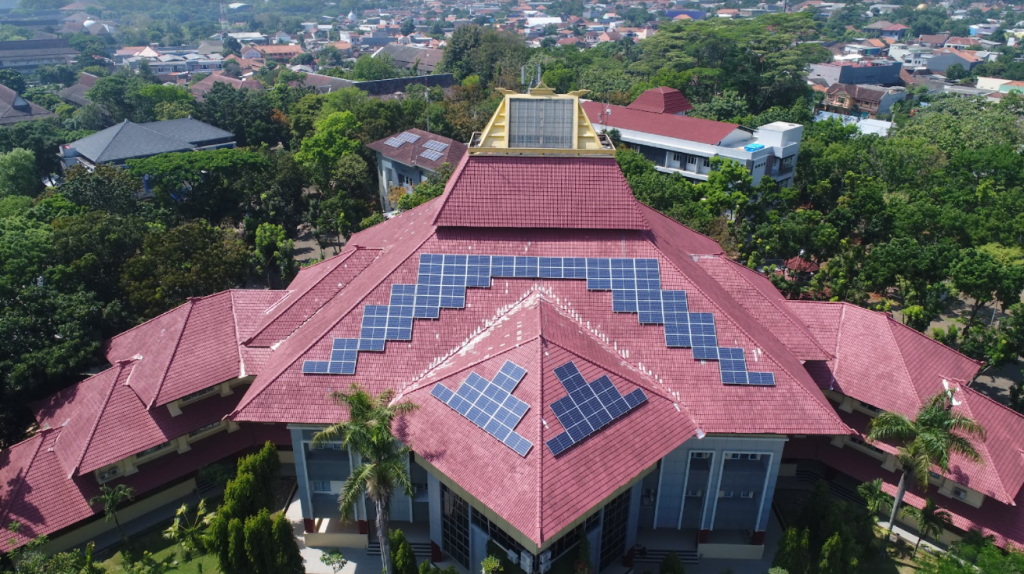
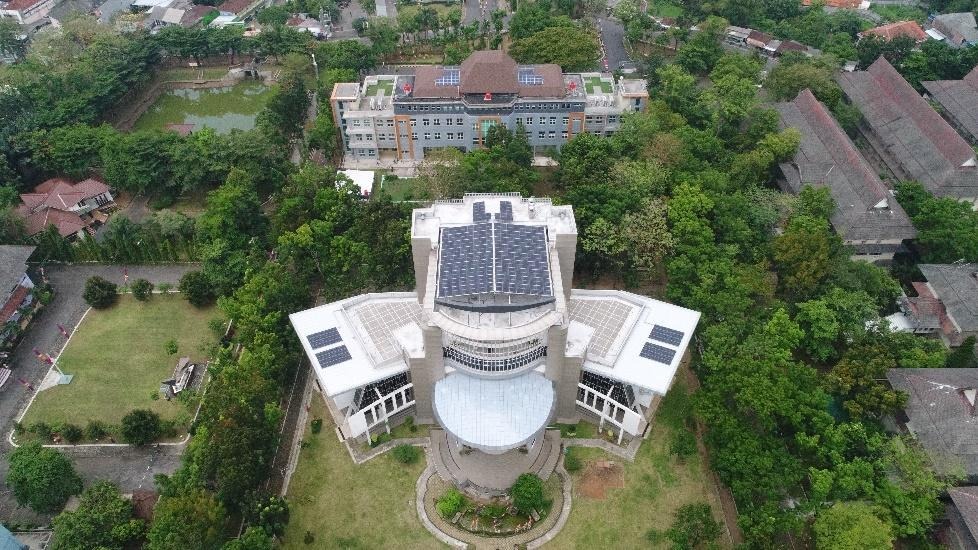
UNNES has >1200 solar panels on grid reducing PLN electricity used. 14 main buildings (rectorate, IT, Library, Entrepreneurship, LP2M, LP3, all deanery buildings) are covered with solar panels in their rooftops which include an online energy monitoring system.
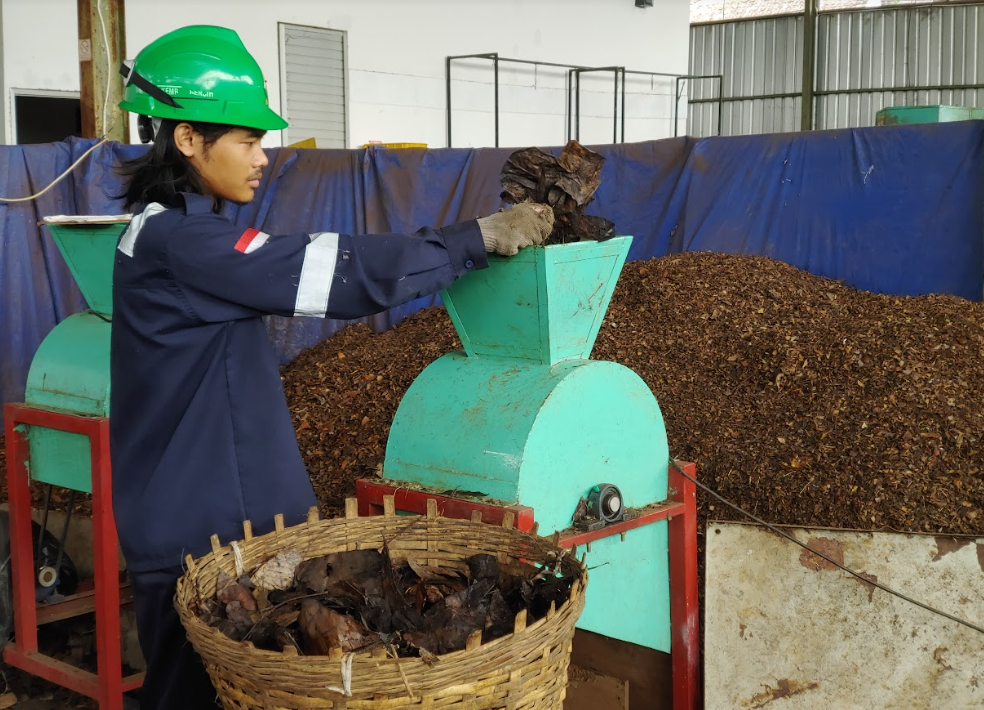
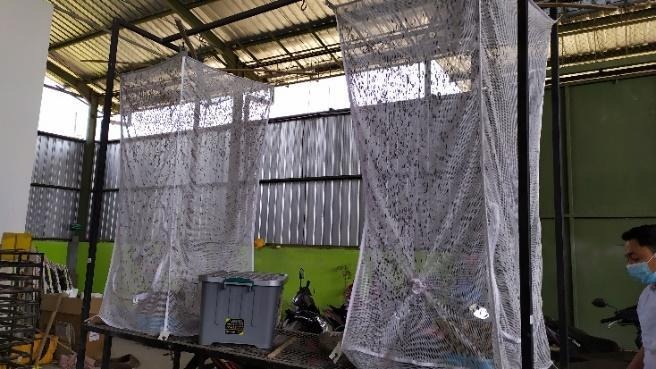
UNNES has compost processing from leaves and BSF from food waste and accumulation of organic waste (especially organic: 80% of UNNES waste is from leaf waste). Waste processing is carried out in Integrated Waste Management Building “Tempat Pengolahan Sampah Terpadu” (TPST) UNNES. Conservation Office and TPST UNNES also promote and sell the compost product called “UNNES ECOFARM” with average production of 5 tons of compost/month. The wet food wastes are processed for BSF maggot feeding which produces 250 kg /month
Through this institutional process for carbon management (comprising formal targets, systematic measurement, monitoring, and intervention) UNNES demonstrates that, as a body, it indeed has a well-defined mechanism to reduce CO₂ emissions and progress toward clean, efficient energy use and a sustainable campus future.