
Wujud Kampus Konservasi, FMIPA UNNES Tanam 481 Pohon di Beberapa Wilayah Indonesia

Universitas Negeri Semarang > Konservasi UNNES > Berita > Wujud Kampus Konservasi, FMIPA UNNES Tanam 481 Pohon di Beberapa Wilayah Indonesia

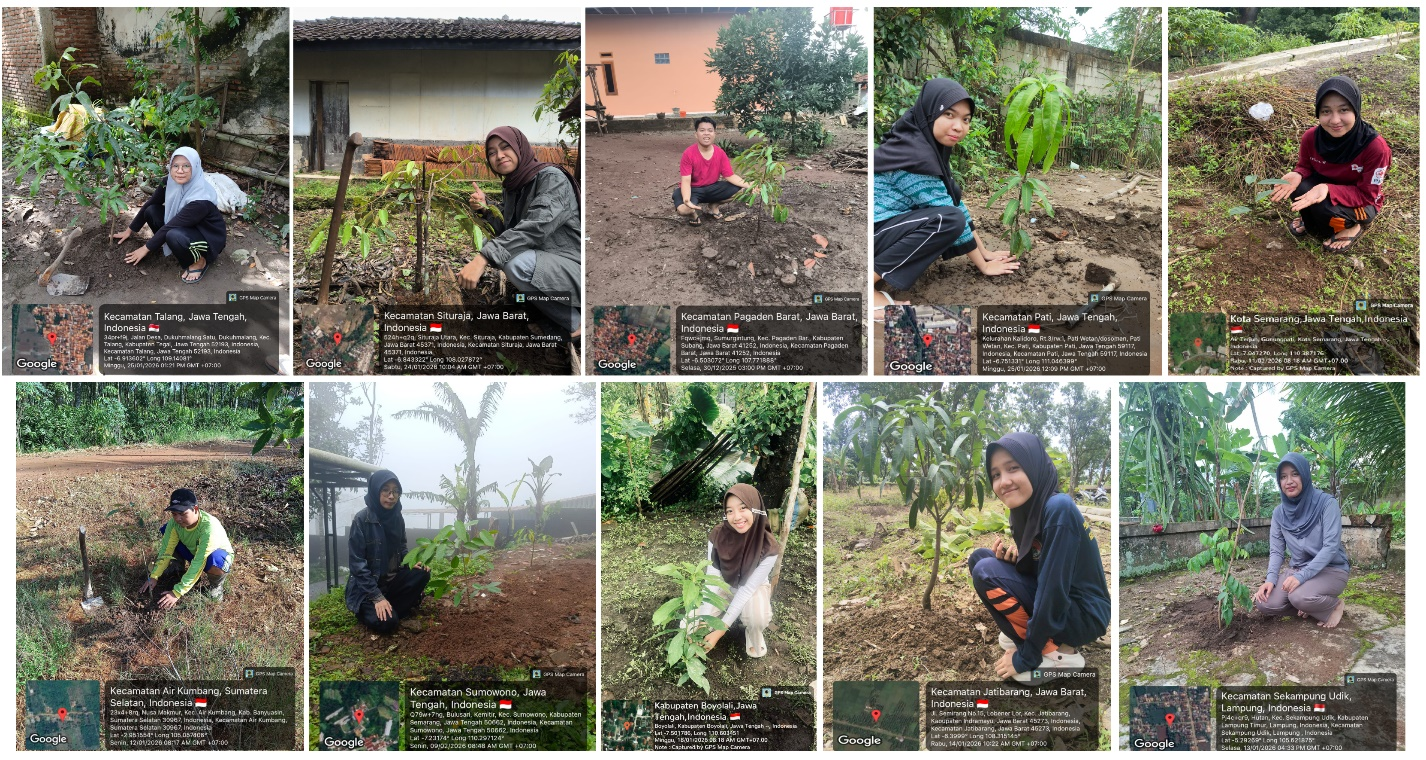
Mahasiswa Fakultas Matematika dan Ilmu Pengetahuan Alam (FMIPA) Universitas Negeri Semarang (UNNES) melaksanakan penanaman pohon secara mandiri di wilayah Pulau Jawa, sebagian Sumatra, serta satu titik di Kalimantan Timur.

Kegiatan ini merupakan bagian dari komitmen UNNES sebagai kampus konservasi dan implementasi kebijakan bahwa setiap mahasiswa Universitas Negeri Semarang wajib menanam satu pohon, yang dilaksanakan pada akhir Desember 2025 hingga awal Februari 2026.

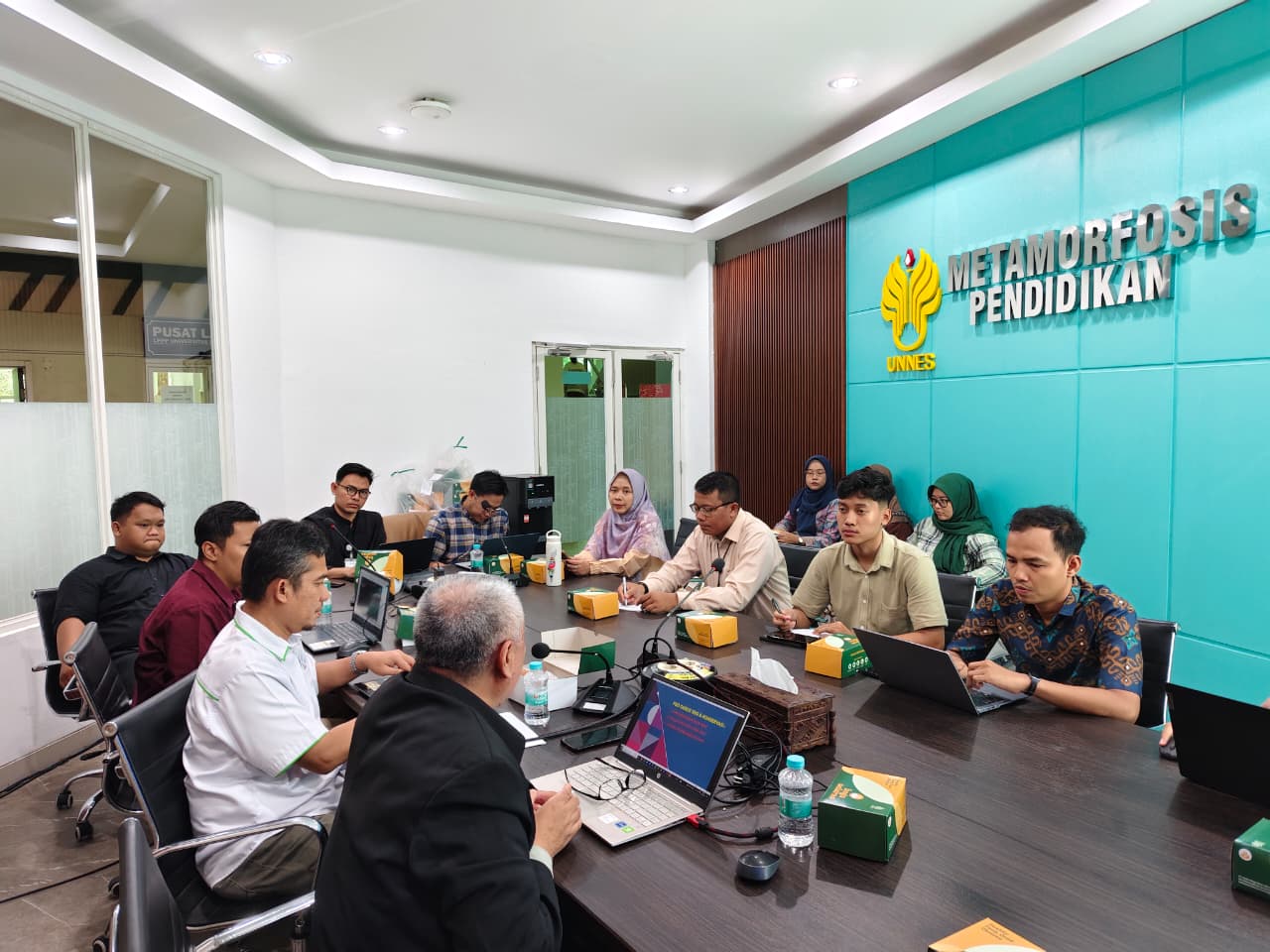
Di tingkat fakultas, kegiatan ini dipandu oleh Bapak Trida Ridho Fariz, M.Sc., selaku anggota Gugus Konservasi FMIPA. Pemanduan dilakukan melalui sosialisasi jenis tanaman yang direkomendasikan, tata cara penanaman, serta mekanisme pelaporan melalui aplikasi SiOmon yang terintegrasi dengan sistem akademik terpadu UNNES.

Penanaman pohon mandiri dilakukan di lingkungan masing-masing mahasiswa, baik di rumah maupun di tempat kos. Jenis tanaman yang ditanam meliputi pohon buah dan tanaman keras.

Mayoritas tanaman yang ditanam merupakan tanaman buah. Jenis terbanyak adalah alpukat (Persea americana) yang memiliki nilai ekonomi cukup baik di tingkat rumah tangga.

Untuk kategori tanaman keras, jenis yang paling banyak ditanam adalah sengon (Albizia chinensis). Setiap mahasiswa menanam satu pohon sebagai bentuk tanggung jawab terhadap lingkungan.

Kegiatan ini diikuti oleh mahasiswa angkatan 2024 dan 2025. Berdasarkan data yang dihimpun, tercatat sekitar 481 entri penanaman dalam sistem pelaporan.

Sebaran lokasi penanaman meliputi DKI Jakarta, Banten, Jawa Barat, Jawa Tengah, DI Yogyakarta, Jawa Timur, Lampung, Sumatera Selatan, Riau, Jambi, Bengkulu, dan Kalimantan Timur. Sebagian besar lokasi penanaman berada di Provinsi Jawa Tengah.

Beberapa titik penanaman juga berada di area yang secara hidrologis termasuk Daerah Aliran Sungai prioritas nasional untuk direhabilitasi, seperti DAS Ciliwung dan DAS Serayu. Hal ini menunjukkan kontribusi mahasiswa dalam mendukung upaya rehabilitasi lingkungan.

Secara umum, sejumlah wilayah di Indonesia menghadapi tantangan konversi lahan vegetasi menjadi lahan terbangun. Program penanaman pohon mandiri ini tidak dimaksudkan sebagai solusi struktural, tetapi sebagai upaya meningkatkan kesadaran lingkungan mahasiswa, khususnya Generasi Z.

Melalui praktik langsung penanaman dan perawatan pohon, mahasiswa tidak hanya memahami konsep konservasi secara teoritis, tetapi juga mempraktikkannya dalam kehidupan sehari-hari. Kegiatan ini mendorong terbentuknya kebiasaan dan tanggung jawab ekologis pada diri mahasiswa.

Keberlanjutan program didukung oleh sistem dokumentasi dan pelaporan melalui aplikasi SiOmon yang terintegrasi dengan sistem akademik UNNES. Sistem ini mencakup pelaporan penanaman dan perawatan pohon secara berkala.

Karena pohon ditanam di lingkungan tempat tinggal masing-masing, pemantauan dan perawatan dapat dilakukan dengan lebih mudah oleh mahasiswa maupun keluarga. Kewajiban menanam pohon bagi setiap mahasiswa juga memastikan program ini terus berjalan pada angkatan berikutnya.

Penanaman pohon mandiri oleh mahasiswa FMIPA UNNES sejalan dengan SDGs 15 tentang Ekosistem Daratan, SDGs 6 tentang Air Bersih dan Sanitasi, serta SDGs 13 tentang Penanganan Perubahan Iklim. Fokus utamanya adalah pembentukan generasi muda yang sadar dan bertanggung jawab terhadap lingkungan.

Kegiatan ini merupakan wujud nyata visi UNNES sebagai kampus konservasi. Program ini sekaligus mendukung Indikator Kinerja Utama 7 terkait keterlibatan perguruan tinggi dalam pencapaian Sustainable Development Goals.
Related Posts

Leave a Reply

* Kode Akses Komentar:

* Tuliskan kode akses komentar diatas:

We are using cookies to give you the best experience. You can find out more about which cookies we are using or switch them off in privacy settings.
AcceptPrivacy Settings

GDPR

  • Privacy Policy

Privacy Policy

At unnes.ac.id, the privacy of our visitors is of extreme importance to us. This privacy policy document outlines the types of personal information that is received and collected by unnes.ac.id and how it is used.

Log Files

Like many other Web sites, unnes.ac.id makes use of log files. The information inside the log files includes internet protocol (IP) addresses, type of browser, Internet Service Provider (ISP), date/time stamp, referring/exit pages, and number of clicks to analyze trends, administer the site, track user’s movement around the site, and gather demographic information. IP addresses and other such information are not linked to any information that is personally identifiable.

Cookies

unnes.ac.id uses cookies to store information about visitors’ preferences, to record user-specific information on which pages the site visitor accesses or visits, and to personalize or customize our web page content based upon visitors’ browser type or other information that the visitor sends via their browser.

Third-party ad servers or ad networks use technology in their respective advertisements and links that appear on unnes.ac.id and which are sent directly to your browser. They automatically receive your IP address when this occurs. Other technologies (such as cookies, JavaScript, or Web Beacons) may also be used by our site’s third-party ad networks to measure the effectiveness of their advertising campaigns and/or to personalize the advertising content that you see on the site.

unnes.ac.id has no access to or control over these cookies that are used by third-party advertisers.

You should consult the respective privacy policies of these third-party ad servers for more detailed information on their practices as well as for instructions about how to opt-out of certain practices. unnes.ac.id’s privacy policy does not apply to, and we cannot control the activities of, such other advertisers or web sites.

If you wish to disable cookies, you may do so through your individual browser options. More detailed information about cookie management with specific web browsers can be found at the browsers’ respective websites.

Consent

By using our website, you hereby consent to our privacy policy and agree to its terms.

Update

This Privacy Policy was last updated on: 2023-02-14. Should we update, amend or make any changes to our privacy policy, those changes will be posted here.

Contact Us

If you have any questions, comments, or concerns about our Privacy Policy or our practices with regards to your personal information, please feel free to contact us through the contact form on our website or by emailing us at humas[at]mail.unnes.ac.id.

This Privacy Policy is intended as a general guide to our practices in collecting and using information. If there is any inconsistency between this Privacy Policy and the terms of the Service Agreement or any other terms that may apply to specific services you use, then those specific service terms shall apply.

Terms of Use

By using our website, you agree to abide by this Privacy Policy. If you do not agree with this Privacy Policy, please do not use our website. We reserve the right to update this Privacy Policy from time to time without prior notice. Please review our Privacy Policy periodically to check for changes. Your continued use of our website following the posting of changes to this Privacy Policy means that you accept the changes.

Thank you for reading our Privacy Policy. We are committed to protecting the privacy of our website visitors and will continue to update our Privacy Policy to ensure optimal protection.