Subdirektorat Konservasi UNNES Gelar FGD Efisiensi Listrik dan Air, Libatkan Seluruh Unit dan Fakultas

Universitas Negeri Semarang > Konservasi UNNES > Berita > Subdirektorat Konservasi UNNES Gelar FGD Efisiensi Listrik dan Air, Libatkan Seluruh Unit dan Fakultas

Related to SDGs

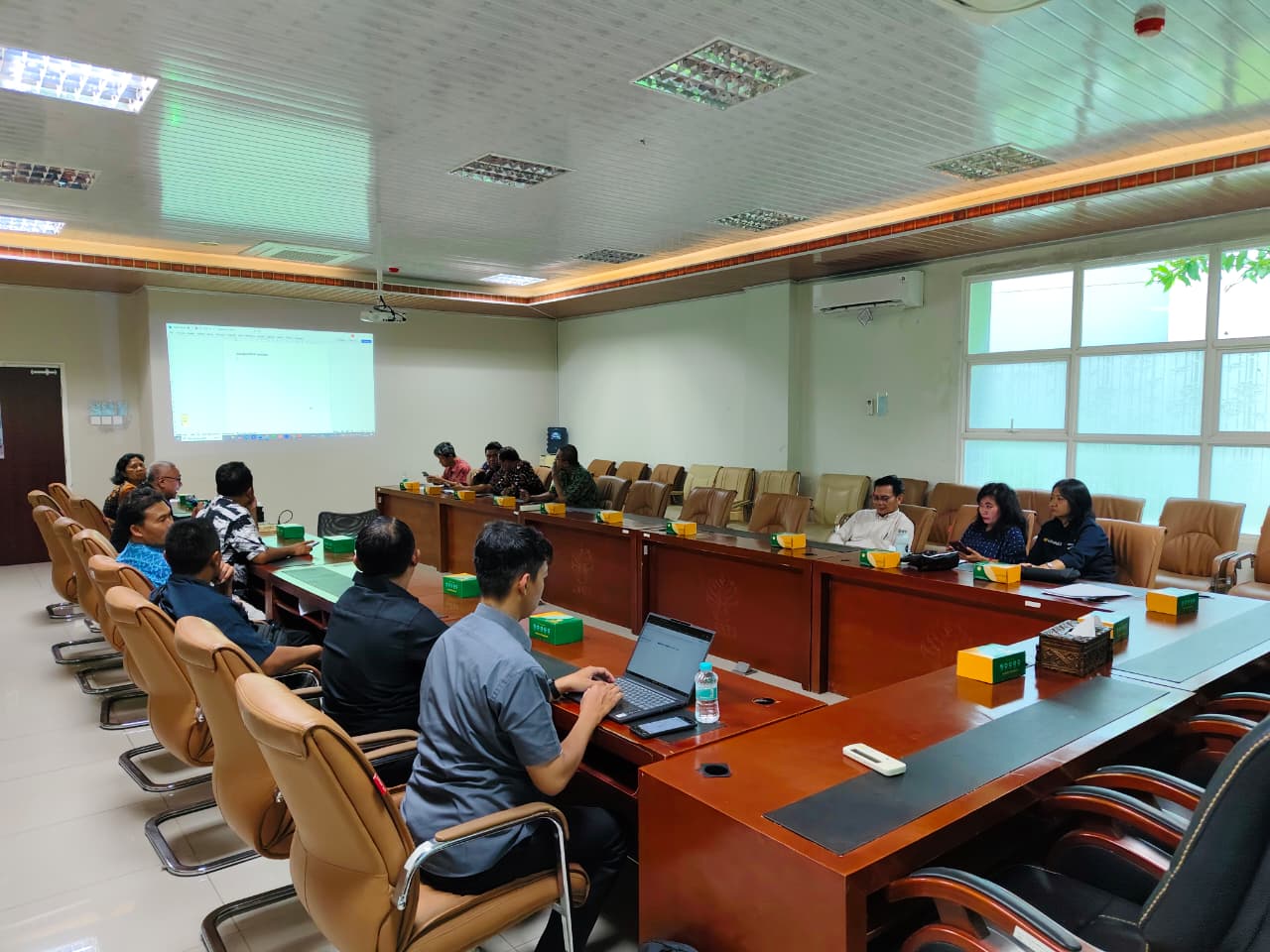
Subdirektorat Konservasi Universitas Negeri Semarang (UNNES) menyelenggarakan Focus Group Discussion (FGD) Efisiensi Listrik dan Air pada Rabu, 1 April 2026. Kegiatan ini diikuti oleh 25 peserta, yang terdiri atas Tim Subdirektorat Konservasi serta perwakilan bagian umum dari seluruh fakultas, unit kerja, dan pusat di lingkungan UNNES, sebagai upaya memperkuat koordinasi dan menyusun langkah strategis pengelolaan energi dan sumber daya air yang lebih efisien dan berkelanjutan.

FGD bertujuan untuk menghimpun data, mengidentifikasi permasalahan di lapangan, serta merumuskan kebutuhan kebijakan dan standar operasional prosedur (SOP) terkait penggunaan listrik dan air di lingkungan kampus. Subdirektorat Konservasi menekankan pentingnya ketersediaan data kuantitatif yang akurat dan terukur dari masing-masing unit, mengingat selama ini data efisiensi masih bersifat agregat dan belum sepenuhnya mencerminkan kondisi riil setiap fakultas.

Dalam diskusi terungkap bahwa setiap fakultas perlu memiliki SOP khusus efisiensi listrik dan air, disertai ukuran capaian berupa target dan realisasi. Salah satu isu utama yang dibahas adalah penggunaan listrik pada aktivitas perkuliahan dan kegiatan mahasiswa setelah pukul 16.00 WIB. Kondisi ini dinilai memerlukan pengaturan yang lebih jelas melalui SOP penggunaan gedung, ruang, dan fasilitas kampus, termasuk keterlibatan petugas pengamanan dalam pengawasan penggunaan energi.

Unit Rumah Tangga menjelaskan bahwa sistem kelistrikan Kampus Sekaran saat ini masih menggunakan listrik kawasan dengan dua kWh meter utama untuk wilayah kampus barat dan timur, sehingga konsumsi listrik per fakultas belum dapat dipantau secara rinci. Untuk mengatasi hal tersebut, UNNES merencanakan pemasangan kWh meter tersendiri di setiap fakultas yang terintegrasi dengan teknologi Internet of Things (IoT) guna memantau penggunaan listrik PLN, pemanfaatan energi terbarukan seperti solar cell, serta efisiensi energi secara real time.

Pengelolaan air juga menjadi fokus pembahasan. Masing-masing fakultas memaparkan kondisi dan sumber air yang digunakan, baik dari sumur artesis, PDAM, maupun sumber lainnya. FGD ini menekankan pentingnya penertiban perizinan sumur dalam serta peluang pengembangan sistem water treatment sebagai solusi penyediaan air terpusat yang lebih berkelanjutan dan terkontrol.

Program meterisasi listrik dan air berbasis IoT direncanakan mulai diimplementasikan pada Agustus hingga September 2026. Melalui sistem ini, data konsumsi listrik dan air akan terekam secara real time setiap lima menit dan dianalisis berbasis rasio jumlah mahasiswa, sehingga menjadi dasar evaluasi kebijakan efisiensi yang lebih adil dan objektif.

Kegiatan FGD ini selaras dengan komitmen UNNES sebagai kampus konservasi serta mendukung pencapaian Sustainable Development Goals (SDGs), khususnya SDG 6 (Air Bersih dan Sanitasi Layak) melalui pengelolaan sumber air yang bertanggung jawab, SDG 7 (Energi Bersih dan Terjangkau) melalui efisiensi dan pemantauan konsumsi energi, serta SDG 12 (Konsumsi dan Produksi yang Bertanggung Jawab) melalui penguatan tata kelola dan perubahan perilaku sivitas akademika.

Melalui FGD ini, Subdirektorat Konservasi UNNES berharap tercipta kesepahaman bersama serta langkah konkret lintas unit dalam mewujudkan sistem pengelolaan sumber daya kampus yang lebih efisien, transparan, dan berkelanjutan, sekaligus memperkuat peran UNNES dalam mendukung agenda pembangunan berkelanjutan.

Related Posts

Leave a Reply

* Kode Akses Komentar:

* Tuliskan kode akses komentar diatas:

We are using cookies to give you the best experience. You can find out more about which cookies we are using or switch them off in privacy settings.
AcceptPrivacy Settings

GDPR

  • Privacy Policy

Privacy Policy

At unnes.ac.id, the privacy of our visitors is of extreme importance to us. This privacy policy document outlines the types of personal information that is received and collected by unnes.ac.id and how it is used.

Log Files

Like many other Web sites, unnes.ac.id makes use of log files. The information inside the log files includes internet protocol (IP) addresses, type of browser, Internet Service Provider (ISP), date/time stamp, referring/exit pages, and number of clicks to analyze trends, administer the site, track user’s movement around the site, and gather demographic information. IP addresses and other such information are not linked to any information that is personally identifiable.

Cookies

unnes.ac.id uses cookies to store information about visitors’ preferences, to record user-specific information on which pages the site visitor accesses or visits, and to personalize or customize our web page content based upon visitors’ browser type or other information that the visitor sends via their browser.

Third-party ad servers or ad networks use technology in their respective advertisements and links that appear on unnes.ac.id and which are sent directly to your browser. They automatically receive your IP address when this occurs. Other technologies (such as cookies, JavaScript, or Web Beacons) may also be used by our site’s third-party ad networks to measure the effectiveness of their advertising campaigns and/or to personalize the advertising content that you see on the site.

unnes.ac.id has no access to or control over these cookies that are used by third-party advertisers.

You should consult the respective privacy policies of these third-party ad servers for more detailed information on their practices as well as for instructions about how to opt-out of certain practices. unnes.ac.id’s privacy policy does not apply to, and we cannot control the activities of, such other advertisers or web sites.

If you wish to disable cookies, you may do so through your individual browser options. More detailed information about cookie management with specific web browsers can be found at the browsers’ respective websites.

Consent

By using our website, you hereby consent to our privacy policy and agree to its terms.

Update

This Privacy Policy was last updated on: 2023-02-14. Should we update, amend or make any changes to our privacy policy, those changes will be posted here.

Contact Us

If you have any questions, comments, or concerns about our Privacy Policy or our practices with regards to your personal information, please feel free to contact us through the contact form on our website or by emailing us at humas[at]mail.unnes.ac.id.

This Privacy Policy is intended as a general guide to our practices in collecting and using information. If there is any inconsistency between this Privacy Policy and the terms of the Service Agreement or any other terms that may apply to specific services you use, then those specific service terms shall apply.

Terms of Use

By using our website, you agree to abide by this Privacy Policy. If you do not agree with this Privacy Policy, please do not use our website. We reserve the right to update this Privacy Policy from time to time without prior notice. Please review our Privacy Policy periodically to check for changes. Your continued use of our website following the posting of changes to this Privacy Policy means that you accept the changes.

Thank you for reading our Privacy Policy. We are committed to protecting the privacy of our website visitors and will continue to update our Privacy Policy to ensure optimal protection.