Dorong Literasi Teknologi Sejak Dini: Tim Pengabdian FT UNNES Latih Siswa SMP Gunakan 3D Printer dari Limbah Botol Plastik

Universitas Negeri Semarang > Faculty of Engineering > Fakultas Teknik-ina > Dorong Literasi Teknologi Sejak Dini: Tim Pengabdian FT UNNES Latih Siswa SMP Gunakan 3D Printer dari Limbah Botol Plastik

Tegal, 28 Juni 2025 – Kemajuan teknologi digital yang berkembang pesat menuntut pengenalan dan literasi sejak usia dini, termasuk kepada siswa Sekolah Menengah Pertama (SMP). Salah satu teknologi manufaktur modern yang kini mulai diperkenalkan ke jenjang pendidikan dasar adalah 3D Printer, atau dikenal juga sebagai teknologi pencetakan tiga dimensi.

Hal ini menjadi fokus program pengabdian kepada masyarakat yang dilakukan oleh Tim Fakultas Teknik Universitas Negeri Semarang (FT UNNES) di SMP Negeri 1 Margasari, Kabupaten Tegal. Dalam acara pembukaan, Dekan FT UNNES, Prof. Dr. Wirawan Sumbodo, M.T., yang juga merupakan alumni dari SMP tersebut, menyampaikan harapannya agar setiap perkembangan teknologi—khususnya yang berkaitan dengan manufaktur digital—dapat diperkenalkan sejak bangku SMP.

“Literasi teknologi seperti 3D Printer perlu dikenalkan sejak SMP. Ini penting untuk membangun semangat belajar siswa dan menumbuhkan kemampuan inovatif serta kewirausahaan berbasis teknologi di masa depan,” ujar Prof. Wirawan.
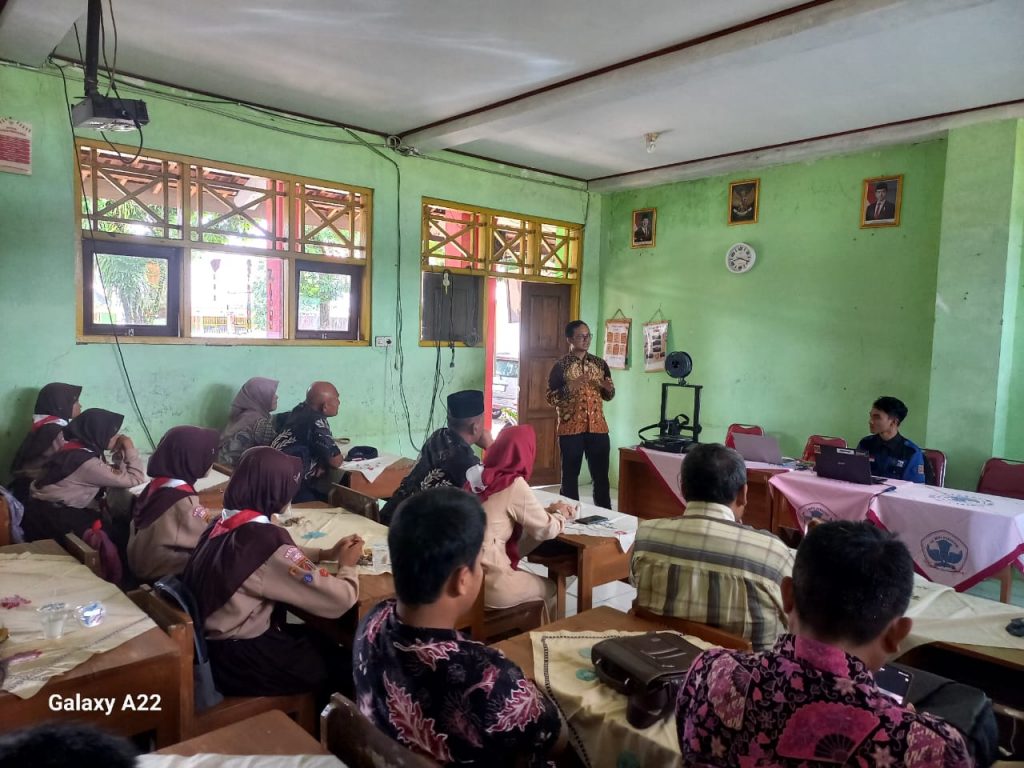
Kegiatan pelatihan di SMP N 1 Margasari ini diisi dengan materi praktik mengoperasikan mesin 3D Printer berjenis FDM (Fused Deposition Modeling), yang melibatkan siswa, guru, dan juga alumni. Pelatihan dipimpin oleh Rizki Setiadi, S.Pd., M.T., dosen dari FT UNNES, serta tim pendukung dari mahasiswa, yakni Habib Bunajar (Prodi Pendidikan Teknik Otomotif), Muhammad Khoirul Anam, dan Rofex Pambudi (Prodi Pendidikan Teknik Mesin).

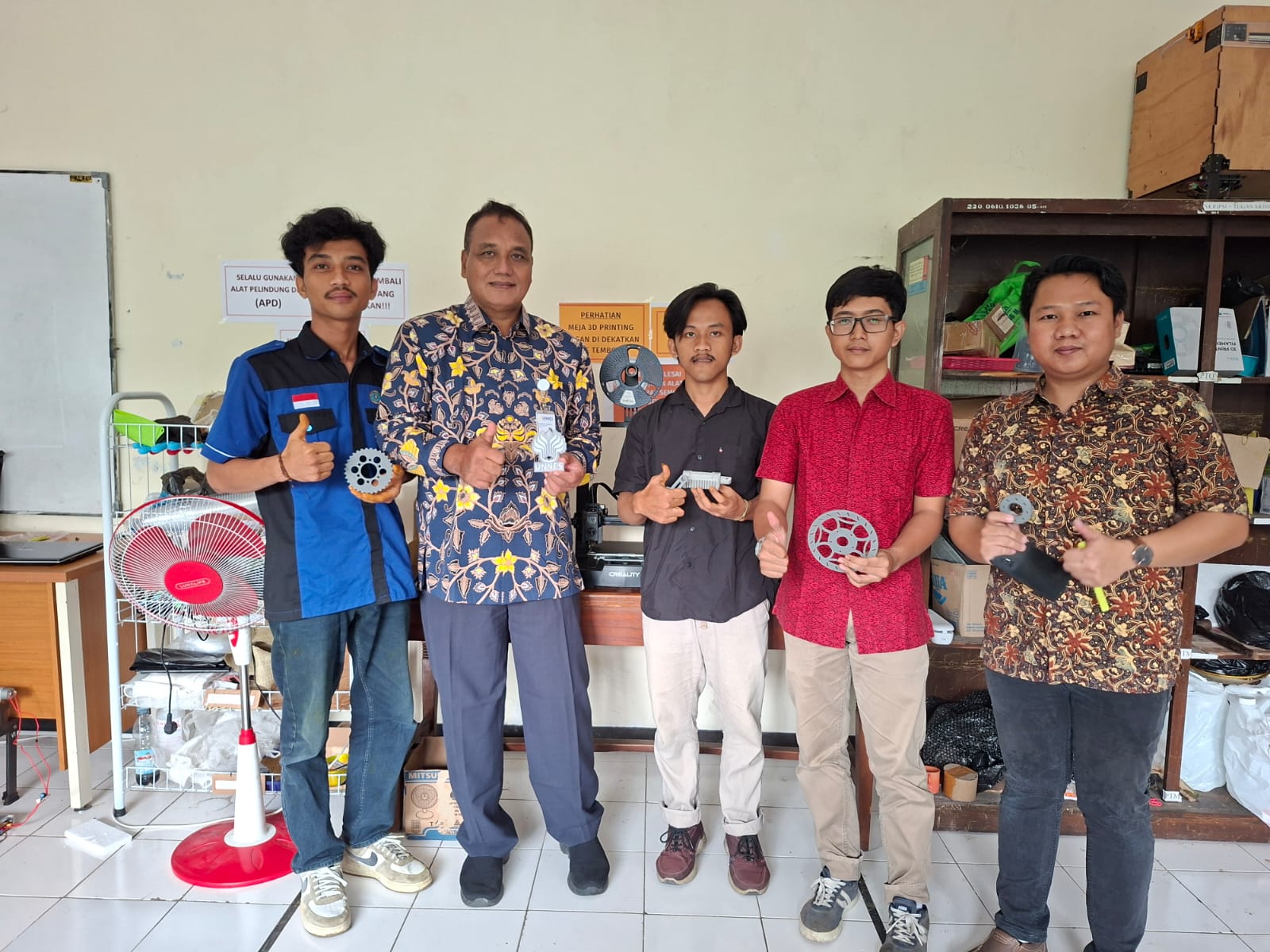
Pelatihan dimulai dengan pengenalan perangkat 3D Printer, dilanjutkan dengan demonstrasi penggunaan, serta praktik langsung oleh peserta. Salah satu produk yang dibuat peserta adalah gantungan kunci menggunakan filamen hasil daur ulang dari limbah botol plastik bekas.

Teknologi filamen ramah lingkungan ini dikembangkan oleh peneliti FT UNNES, M. Irfan Nuryanta, M.Eng., yang berhasil mengubah limbah botol plastik (rPET) menjadi bahan cetak 3D yang fungsional. Proses ini melibatkan pencacahan, pelelehan, hingga ekstrusi botol plastik menjadi filamen, sehingga menjadi contoh nyata inovasi sirkular ekonomi dalam pendidikan.

Kepala SMP N 1 Margasari, Drs. Winarko, M.Pd., menyambut positif kegiatan ini. Dalam sambutannya, beliau mengucapkan terima kasih atas pelatihan serta penyerahan 1 unit mesin 3D Printer dari tim FT UNNES. Ia berharap perangkat ini dapat digunakan dalam pembelajaran prakarya dan karya siswa, serta mendorong lahirnya produk technopreneurship di lingkungan sekolah.

“Kami berharap siswa dapat memanfaatkan teknologi ini untuk menciptakan karya orisinal, serta menjadikan limbah plastik sebagai bahan yang bernilai ekonomi dan edukatif,” ujarnya.

Program ini juga mendapat dukungan dari alumni, di antaranya Sugeng Triyono, SE, MM, dan timnya, yang turut serta dalam inisiatif kolaboratif ini sebagai bentuk kepedulian terhadap pengembangan pendidikan berbasis teknologi di daerah asal.

Program ini selaras dengan Tujuan Pembangunan Berkelanjutan (SDGs) berikut: SDG 4-Pendidikan Berkualitas: Meningkatkan pendidikan berkualitas yang inklusif dan merata dengan mengintegrasikan literasi digital dan teknologi ke dalam pendidikan anak usia dini, SDG 9-Industri, Inovasi, dan Infrastruktur: Mempromosikan industrialisasi yang inklusif dan berkelanjutan serta mendorong inovasi melalui penggunaan teknologi manufaktur canggih seperti pencetakan 3D, dan SDG 12-Konsumsi dan Produksi yang Bertanggung Jawab: Mendorong daur ulang limbah plastik dan menunjukkan prinsip-prinsip ekonomi sirkular melalui praktik pendidikan.

Dengan adanya kegiatan ini, FT UNNES berharap pendekatan pembelajaran berbasis teknologi tidak hanya menjadi domain pendidikan tinggi, tetapi juga dapat diterapkan secara berkelanjutan di tingkat sekolah menengah untuk membekali generasi muda menghadapi tantangan industri masa depan.

Related Posts

Leave a Reply

* Kode Akses Komentar:

* Tuliskan kode akses komentar diatas:

GDPR

  • Privacy Policy

Privacy Policy

At unnes.ac.id, the privacy of our visitors is of extreme importance to us. This privacy policy document outlines the types of personal information that is received and collected by unnes.ac.id and how it is used.

Log Files

Like many other Web sites, unnes.ac.id makes use of log files. The information inside the log files includes internet protocol (IP) addresses, type of browser, Internet Service Provider (ISP), date/time stamp, referring/exit pages, and number of clicks to analyze trends, administer the site, track user’s movement around the site, and gather demographic information. IP addresses and other such information are not linked to any information that is personally identifiable.

Cookies

unnes.ac.id uses cookies to store information about visitors’ preferences, to record user-specific information on which pages the site visitor accesses or visits, and to personalize or customize our web page content based upon visitors’ browser type or other information that the visitor sends via their browser.

Third-party ad servers or ad networks use technology in their respective advertisements and links that appear on unnes.ac.id and which are sent directly to your browser. They automatically receive your IP address when this occurs. Other technologies (such as cookies, JavaScript, or Web Beacons) may also be used by our site’s third-party ad networks to measure the effectiveness of their advertising campaigns and/or to personalize the advertising content that you see on the site.

unnes.ac.id has no access to or control over these cookies that are used by third-party advertisers.

You should consult the respective privacy policies of these third-party ad servers for more detailed information on their practices as well as for instructions about how to opt-out of certain practices. unnes.ac.id’s privacy policy does not apply to, and we cannot control the activities of, such other advertisers or web sites.

If you wish to disable cookies, you may do so through your individual browser options. More detailed information about cookie management with specific web browsers can be found at the browsers’ respective websites.

Consent

By using our website, you hereby consent to our privacy policy and agree to its terms.

Update

This Privacy Policy was last updated on: 2023-02-14. Should we update, amend or make any changes to our privacy policy, those changes will be posted here.

Contact Us

If you have any questions, comments, or concerns about our Privacy Policy or our practices with regards to your personal information, please feel free to contact us through the contact form on our website or by emailing us at humas[at]mail.unnes.ac.id.

This Privacy Policy is intended as a general guide to our practices in collecting and using information. If there is any inconsistency between this Privacy Policy and the terms of the Service Agreement or any other terms that may apply to specific services you use, then those specific service terms shall apply.

Terms of Use

By using our website, you agree to abide by this Privacy Policy. If you do not agree with this Privacy Policy, please do not use our website. We reserve the right to update this Privacy Policy from time to time without prior notice. Please review our Privacy Policy periodically to check for changes. Your continued use of our website following the posting of changes to this Privacy Policy means that you accept the changes.

Thank you for reading our Privacy Policy. We are committed to protecting the privacy of our website visitors and will continue to update our Privacy Policy to ensure optimal protection.