

SEMARANG – The Faculty of Education and Psychology (FIPP) of Semarang State University (UNNES) welcomed dozens of students from Universiti Malaya as part of a student exchange program on Thursday, February 19, 2026. This inaugural class provided an opportunity for Malaysian students to explore the importance of Human Resource Management (HRM) and supervision within the context of guidance and counseling.
The student exchange program is part of a series of activities for the FIPP International Forum 2026, a collaboration between FIPP UNNES, Universiti Malaysia, and UIN Salatiga.
The Vice Dean for Academic and Student Affairs of FIPP UNNES, Farid Ahmadi, S.Kom., M.Kom., Ph.D., explained that this program is a strategic step to expand FIPP UNNES’s exposure on the global stage. In addition to academic experience, students participating in the program also receive guaranteed recognition.
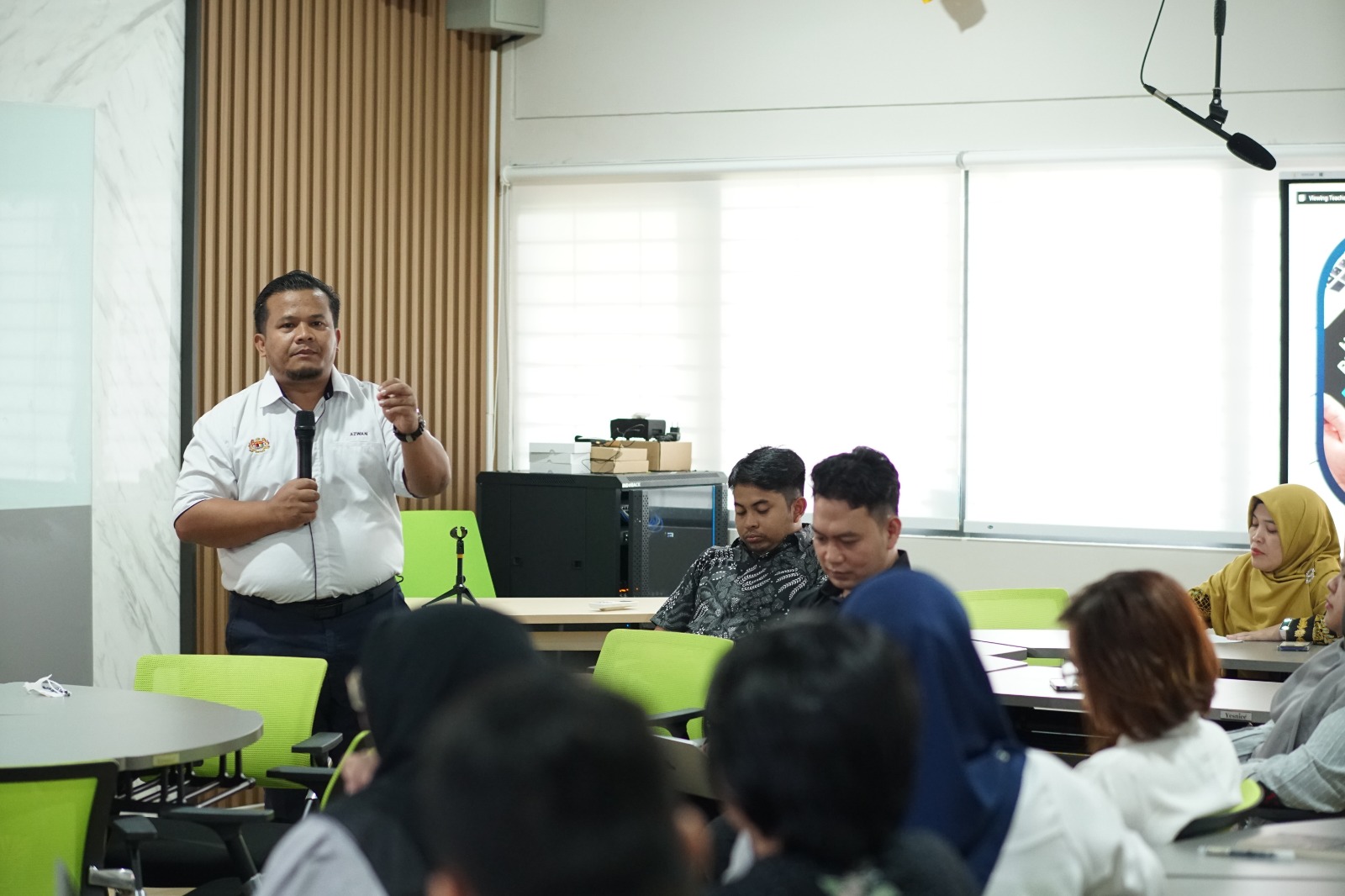
“Today, students from Universiti Malaya are taking offline classes, which will be followed by online sessions. The courses they take here will be recognized by their home university through a credit transfer scheme. We can now assess them immediately,” said Farid.
In addition to students from Universiti Malaya, several postgraduate students from the Faculty of Human Resources (FIPP) also participated.
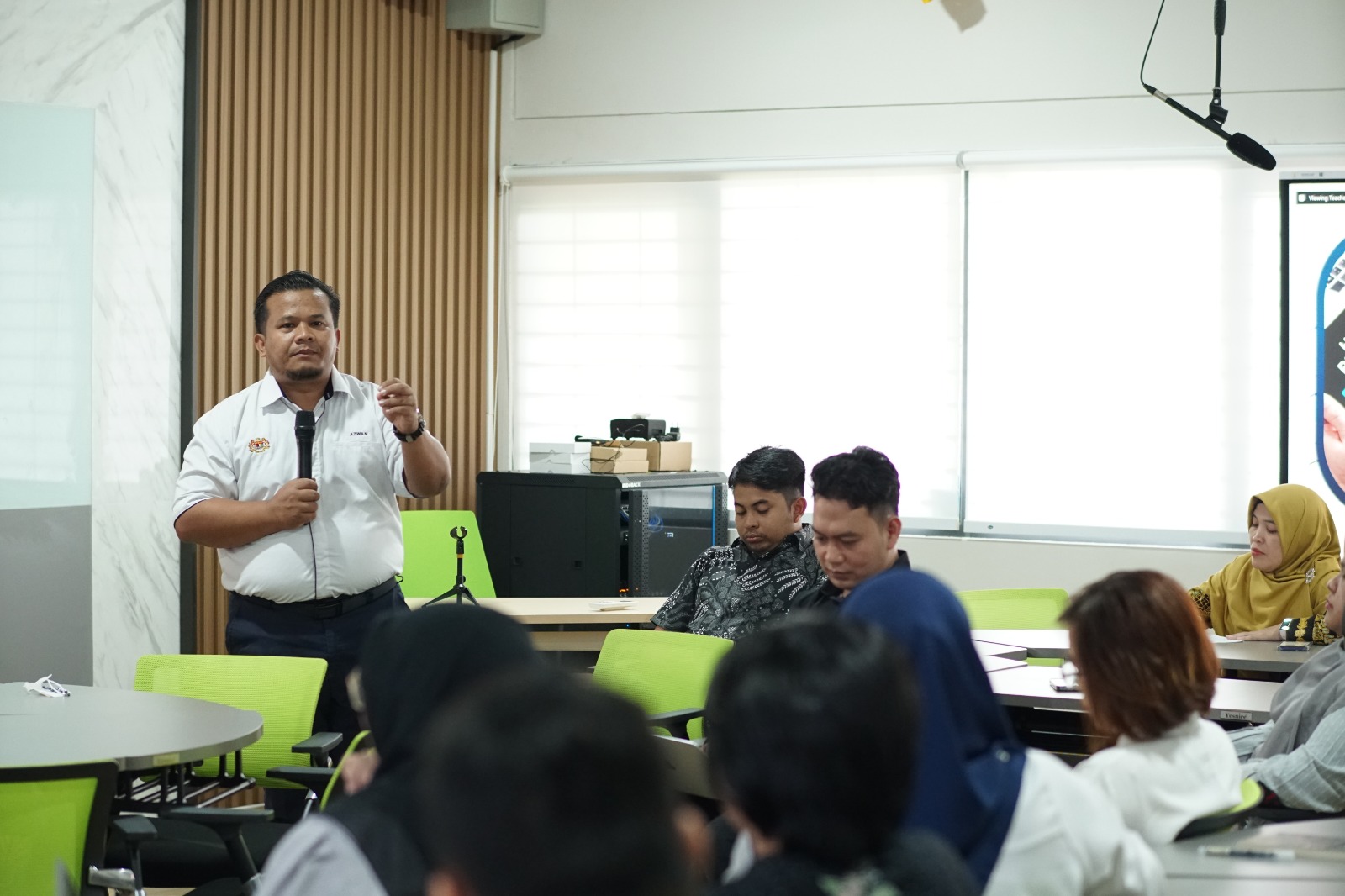
The in-person lecture took place in the smart classroom of Building A3, FIPP, UNNES. The session was led by a team of experts consisting of Prof. Dr. Awalya, M.Pd., Kons., Dr. Ernest Ceti Septyanti, M.Sc., Dr. Binti Isrofin, M.Pd., and Dr. Ipah Saripah, M.Pd.
In their presentations, the lecturers emphasized a paradigm shift in management. Students were encouraged to abandon the old paradigm that viewed humans solely as a means of production. Instead, the current evolution of HR concepts has placed human dignity and sustainability principles at the center of organizational policy.
The discussion became even more dynamic when discussing the strengths-based approach. Students from the University of Malaya explored how identifying individual potential is key to building a healthy organization, rather than solely focusing on addressing deficiencies. This approach is considered highly relevant for doctoral candidates in guidance and counseling in creating an inclusive work environment.
Furthermore, the material emphasized that investing in people is not merely an administrative matter, but rather the art of aligning organizational goals with mental well-being. Innovation in educational institutions depends heavily on the ability to treat human capital as a dignified strategic partner.
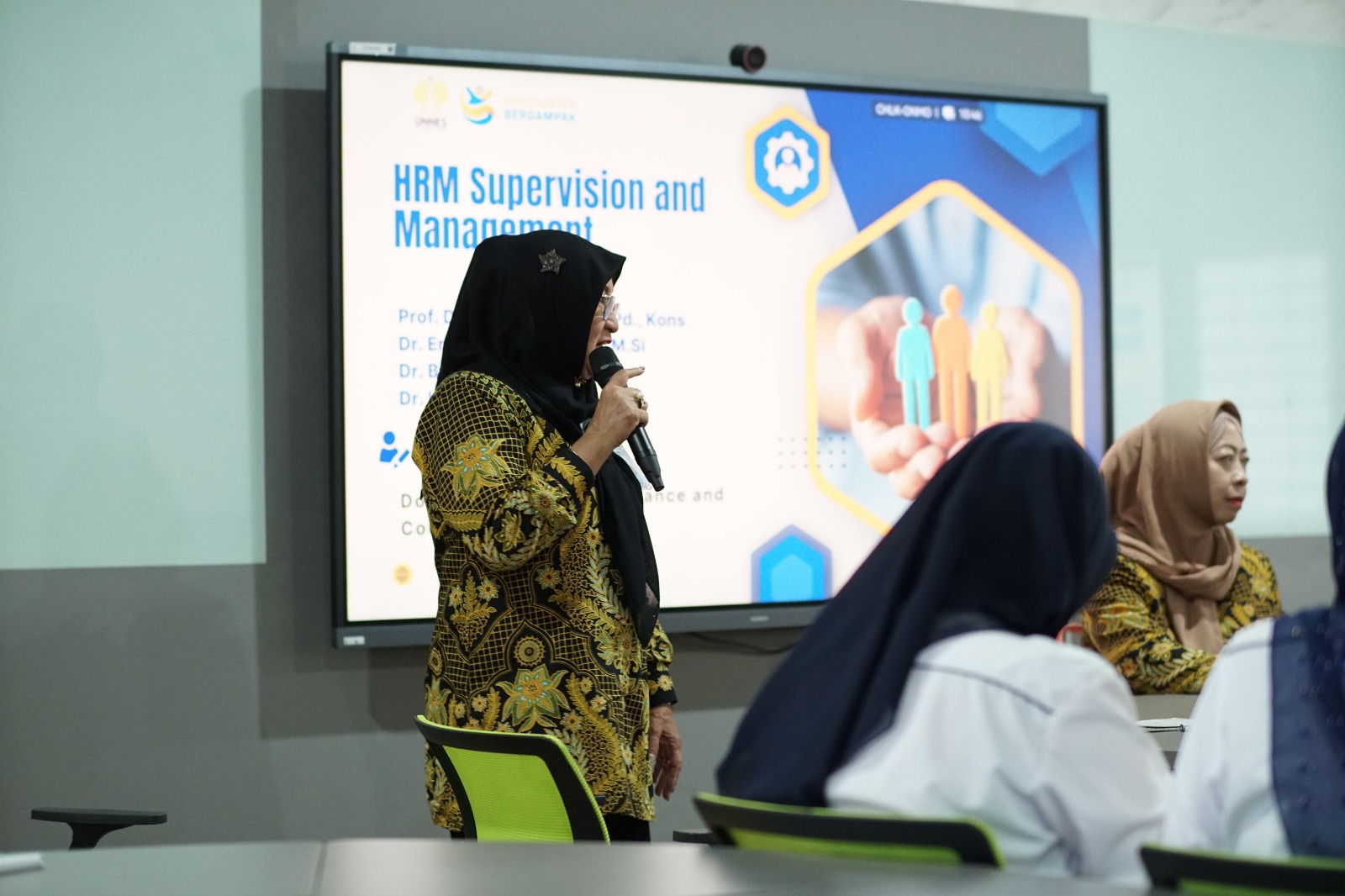
Through this collaboration, FIPP UNNES reaffirms its commitment to building international networks while providing insights into modern, humanistic management. This activity is expected to not only enrich the academic horizons of Universiti Malaya students but also strengthen bilateral relations between the two universities in developing educational science in Southeast Asia.
By introducing a humanizing management paradigm, this program contributes significantly to achieving SDGs No. 8, concerning decent work, and SDG No. 4, through improving the quality of higher education that adapts to global standards.