

SEMARANG – How does a foreign student overcome culture shock in the heart of Javanese culture? How does education maintain its pulse amidst the storm of political crisis? And is it true that the presence of Artificial Intelligence (AI) often traps students in an “illusion of understanding”?
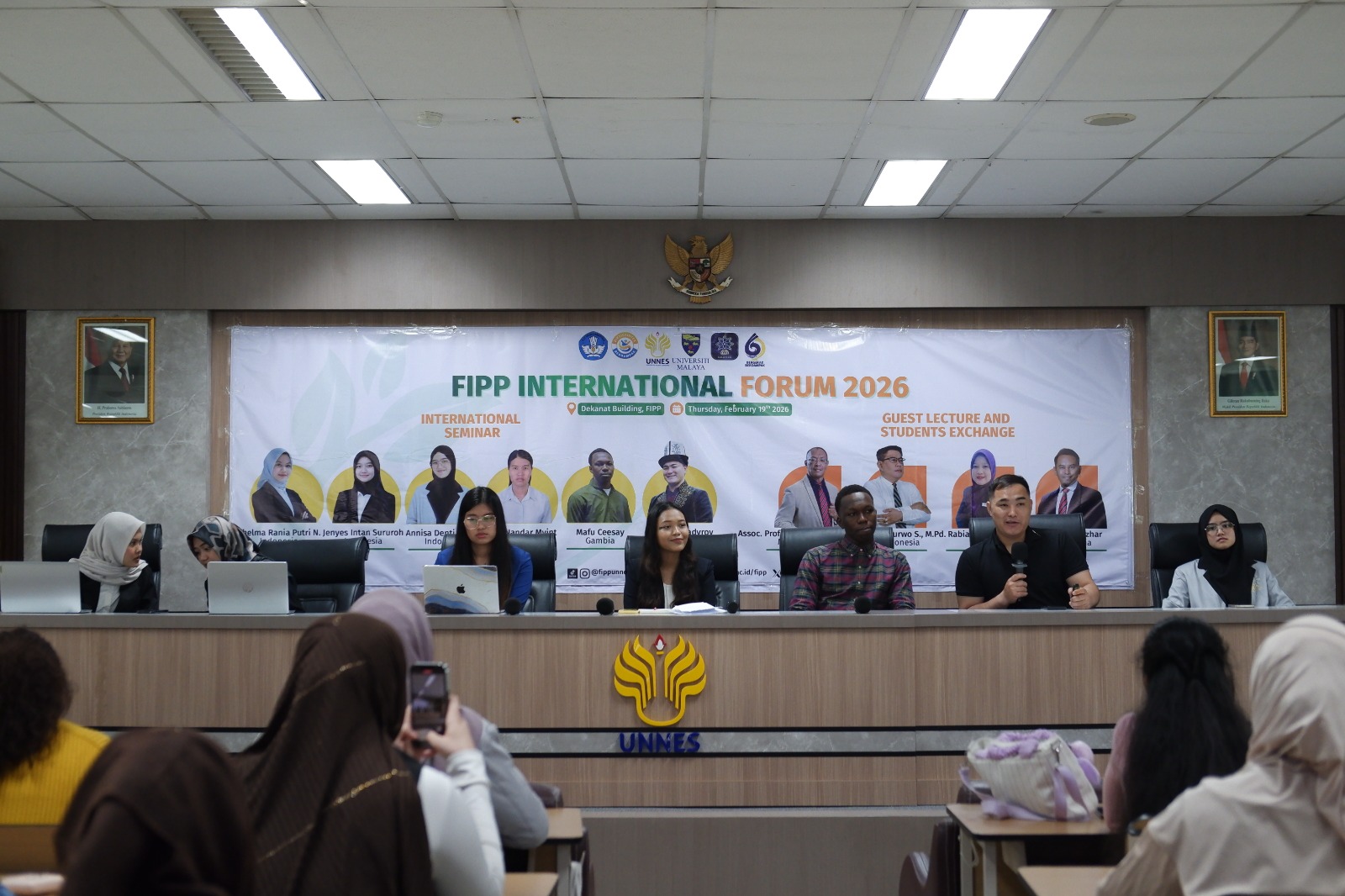
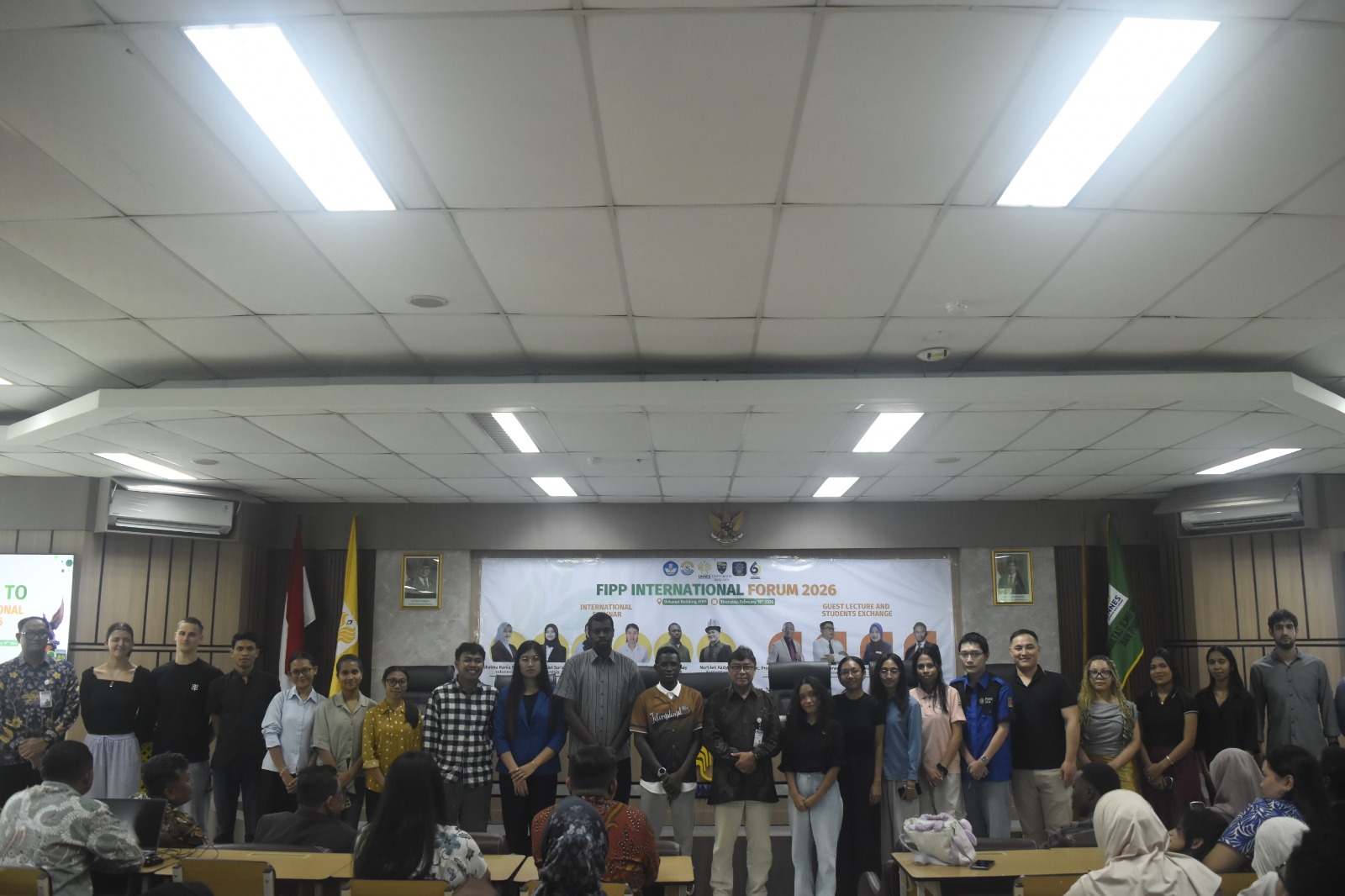
These crucial and provocative issues were the epicenter of discussions at an international seminar part of the FIPP International Forum 2026. The event took place solemnly in the Dean’s Hall of the Faculty of Education and Psychology (FIPP), Semarang State University (UNNES), on Thursday, February 19, 2026.
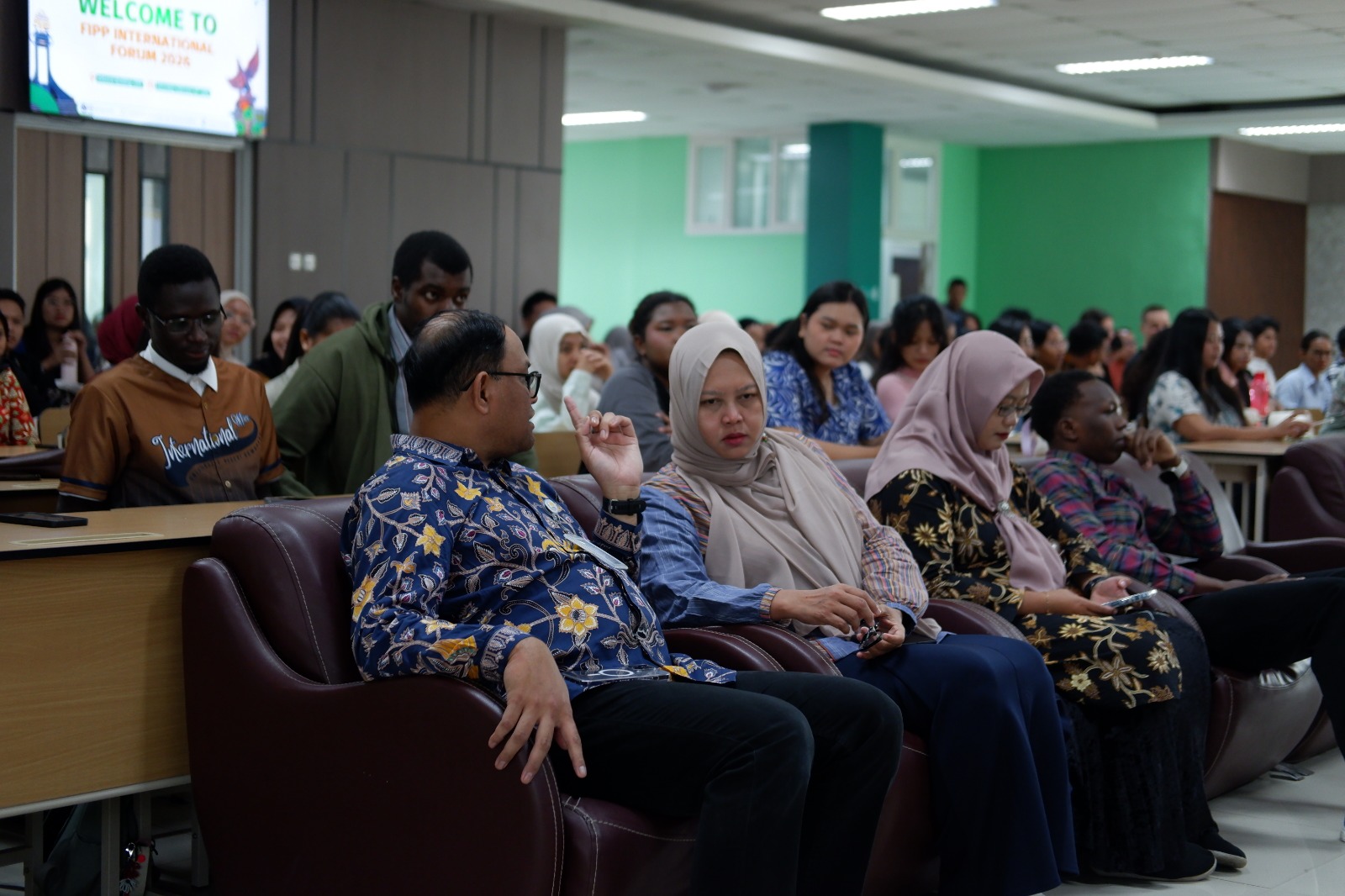
Despite being held amidst the Work From Anywhere (WFA) policy on the first day of Ramadan 1447 H, the participants’ intellectual passion remained undiminished. The Dean of FIPP UNNES, Prof. Dr. Edy Purwanto, M.Si., emphasized that this international forum embodies UNNES’ vision as a pioneer of educational excellence with a global reputation.
“International collaboration through student exchanges and cross-border academic meetings is our endeavor to continue expanding students’ horizons,” he said.
Teacher Resilience and Agency Amidst Crisis
This seminar brought together perspectives from Kyrgyzstan, Myanmar, Gambia, and Indonesia. One key point discussed was how educational actors survive under limitations. Jenyes Intan Sururoh, a Guidance and Counseling student at FIPP UNNES, captured the resilience of guidance and counseling teachers in schools. In her research, she emphasized that innovations in guidance and counseling services often emerge not from formal instruction, but from the “professional agency” of teachers who move nimbly through limited facilities to respond to students’ increasingly complex emotional needs.
Resonating with the issue of resilience, Hsu Nandar Myint, a Master’s student in Curriculum Development from Myanmar, shared a touching and heroic story about curriculum transformation in her country following the 2021 political crisis. The use of printed modules and educational radio is evidence that when high technology is paralyzed, community creativity can still keep the flame of learning alive.
From ‘Culture Shock’ to the AI Labyrinth
Nurtilek Kadyrov, a doctoral student at UNNES from Kyrgyzstan, reviewed his 11-year experience in Indonesia through the lens of Cultural Intelligence. For him, adapting in Java is not just about language fluency, but also the art of psychological negotiation. “Cultural intelligence is the key to transforming walls of difference into bridges of collaboration,” said the winner of the 2023 Indonesian Handai Festival.
Meanwhile, Shelma Rania Putri Nugroho from the Psychology study program spoke out about the plight of women with NEET (Not in Education, Employment, or Training) status. She dissected how gender norms often become barriers that restrict women’s self-efficacy. Meanwhile, Mafu Ceesay, a student at UIN Salatiga from Gambia, advocated for data literacy and coding to become the new “mother tongue” in 21st-century educational logic.
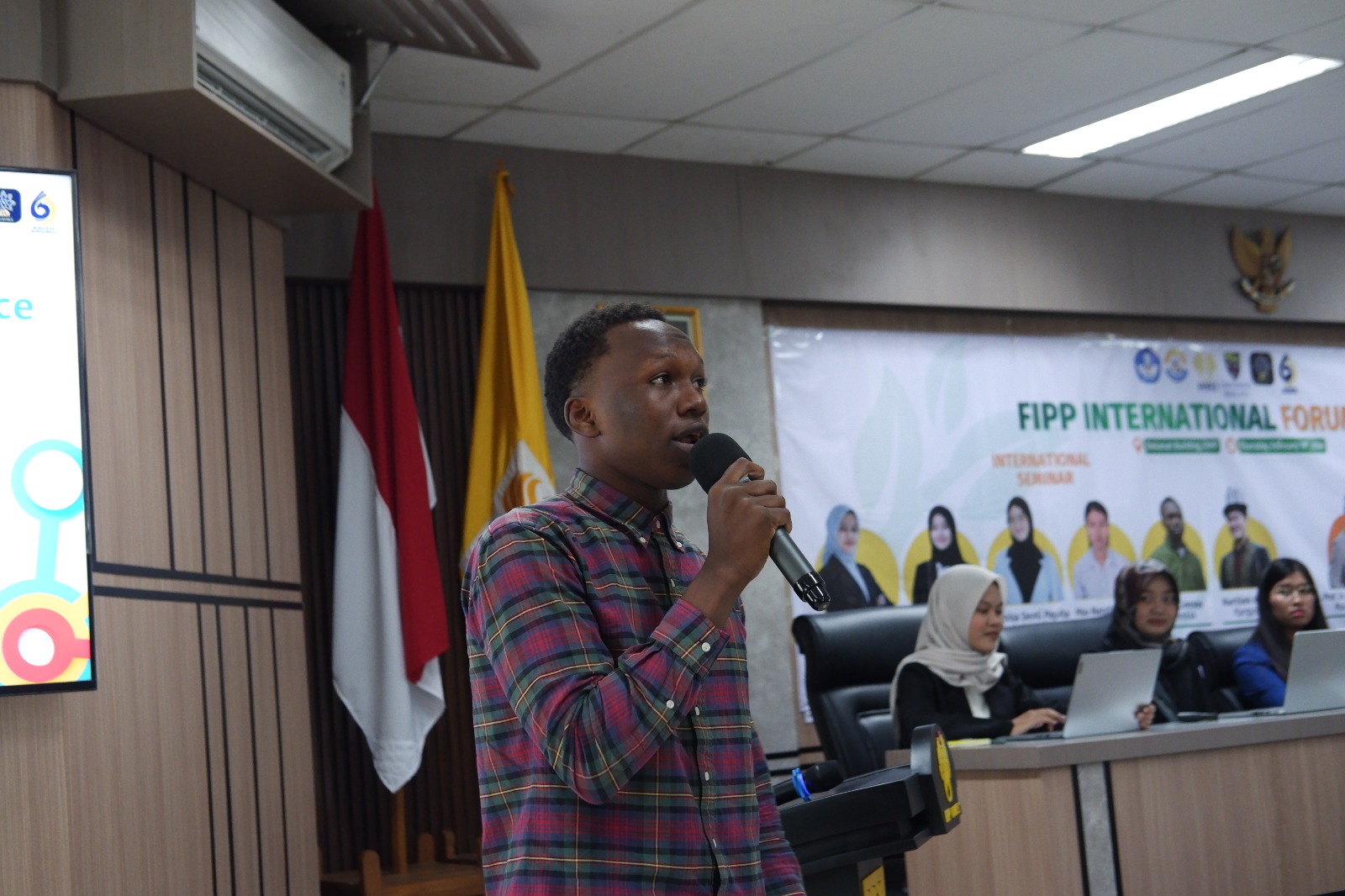
However, the forum also issued a stern warning. Annisa Denti Papita, a student majoring in Islamic Economic Law, highlighted the phenomenon of the Illusion of Understanding resulting from the use of AI. He warned that the ease of AI often creates a false sense of understanding, which, if unaddressed, will erode the depth of students’ critical analysis and intellectual integrity.
This international seminar emphasized FIPP UNNES’s position in supporting the SDGs, particularly inclusive education and gender equality, by ensuring that academic discourse remains grounded in human reality amidst the onslaught of future technologies.