

Psychology Study Program of Semarang State University (UNNES) held a workshop on the application of EEG (electroencephalography), a brain instrument that records how the brain activity and work in real-time. In this workshop, participants had the opportunity to get training on the use of EEG to understand cognitive processes and human behavior.
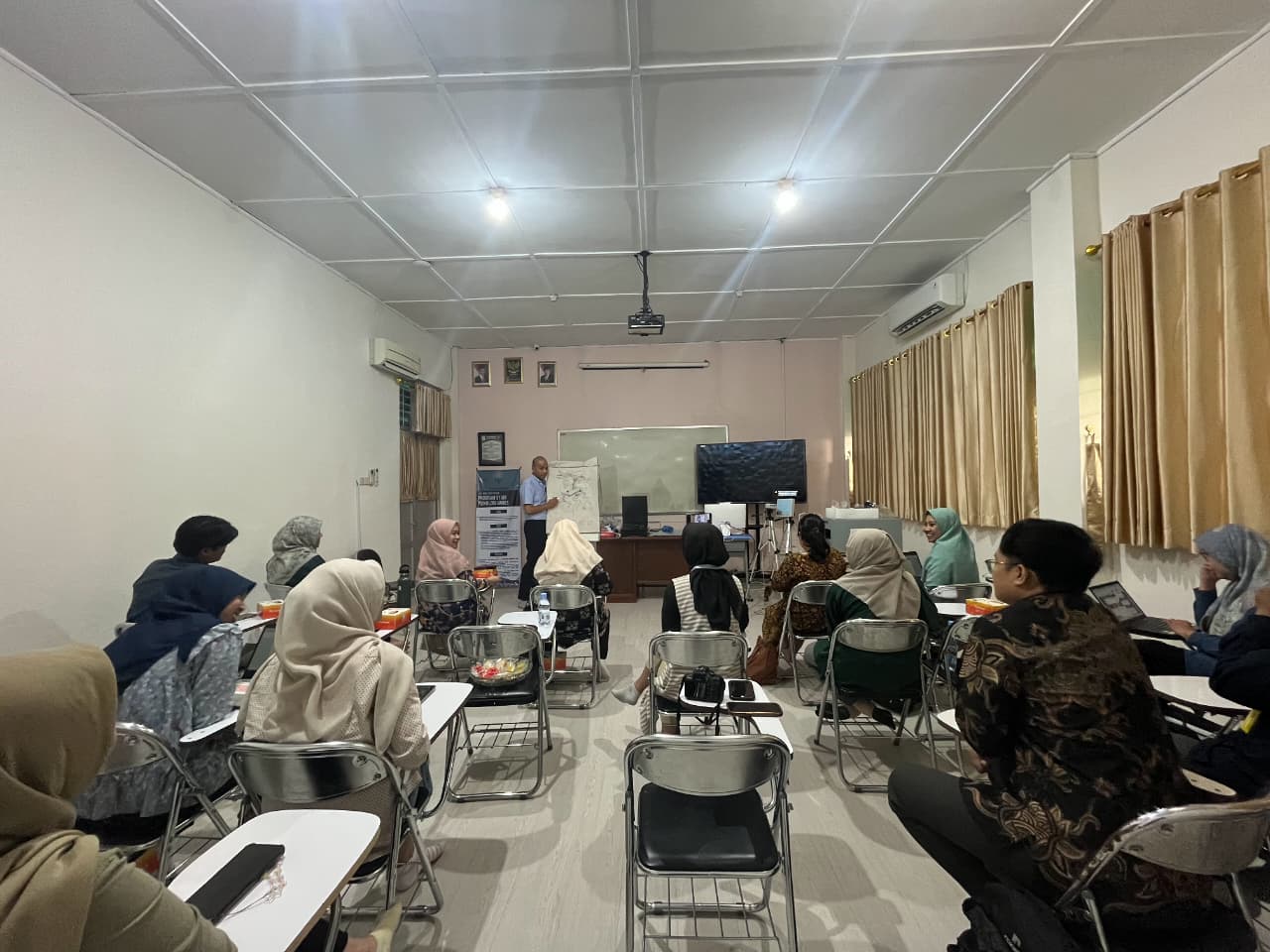
This workshop presented Assoc. Prof. Dr. Edmi Edison, Ph.D. from Universiti Brunei Darussalam as the main speaker who guided participants in providing material exposure as well as practice in using EEG. In addition, most lecturers, laboratory assistants, and representatives of UNNES Psychology students also attended as participants and actively contributed during the activity. This activity was held on Wednesday, July 16, 2025 at 14.00-16.30 WIB in Building A1 room A1-304.
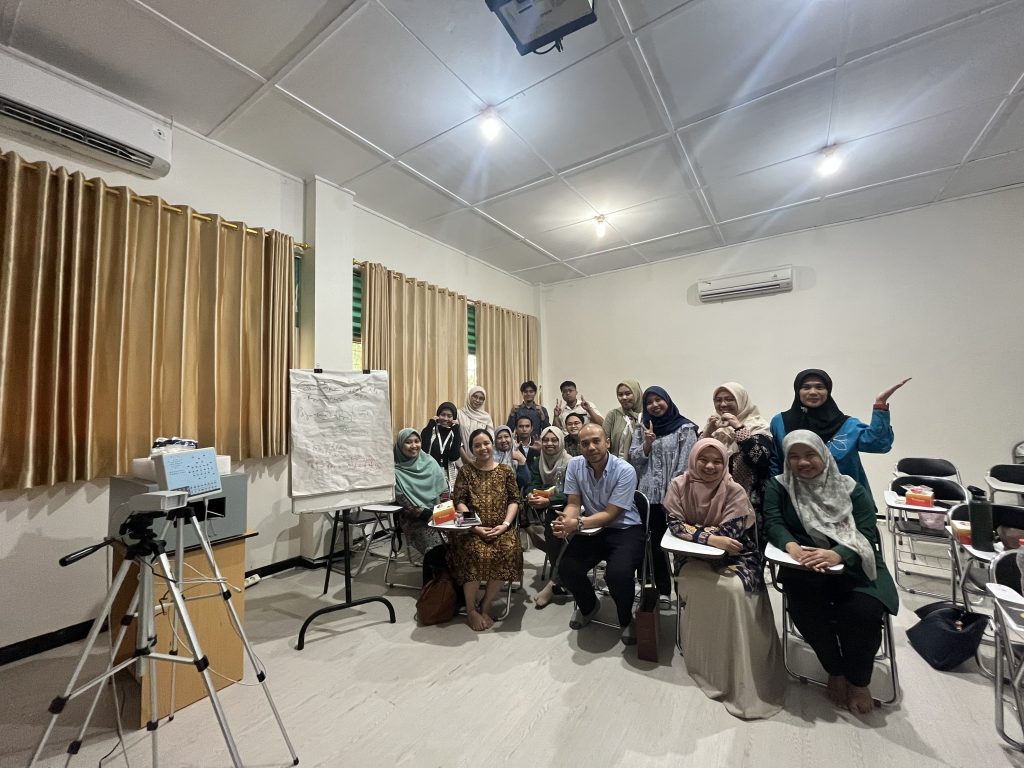
(Figure 1. implementation of the EEG workshop)
Prof. Dr. Edmi Edison, Ph.D. presented the material very interactively using the Socrative Dialogue approach, where the speaker tried to hold a continuous question and answer discussion session. The existence of this approach can create an effective discussion atmosphere and support the overall sustainability of the activity. In the initial session of the event, Prof. Edmi presented a theoretical introduction by introducing the structure and function of the parts of the brain that are important points in the use of the tool. Furthermore, the practice of using the EEG tool was carried out involving one representative of the participants as a practice subject to demonstrate the process of determining important points on the human head.
In its implementation, Prof. Edmi emphasized that the EEG brain trainer must have a permanent technician who understands how the whole tool works, so that every time it is used there is no need to learn from scratch. Because basically, this trainer requires a lot of technical understanding that must be learned. There needs to be a follow-up related to the making of modules, implementation technicians, and similar things that support the implementation of the use of the tool.
Miftahun Najah, S.Psi, MA, as a participant as well as a representative of the subject of EEG equipment practice gave a positive impression of the implementation of this activity, “Very good, very recommended to be done again. Many new things that have not been known are obtained here. This workshop helps us to answer concerns related to the use of the tool, nothing is in vain, so that in the future there will be a follow-up to this activity.”
He also added his hope for more developments from the workshop, “In the future, hopefully there will be more processes and training like this, because one time is not enough. We plan to put, analyze, and read EEG results that cannot be fulfilled, including the follow-up of making modules and determining the technicians of these props.”
This activity is expected to be the first step for academics in deepening their understanding of EEG, as well as opening up wider research opportunities in the future.