

Semarang, September 25, 2025 — Entrepreneurship has become an essential skill for the younger generation. However, in reality, many university students still view entrepreneurship programs merely as academic requirements rather than as a personal calling. This lack of intrinsic motivation indicates that entrepreneurship education has not fully taken into account individual factors such as vocational interests, thereby limiting its overall effectiveness.
To address this challenge, Universitas Negeri Semarang (UNNES) through the Faculty of Education and Psychology (FIPP), in collaboration with the Faculty of Psychology, Universitas Pendidikan Indonesia (UPI), is conducting a joint research project to examine the relationship between vocational interests and entrepreneurial intention and commitment among psychology students. The project is led by Laila Listiana Ulya, M.Psi., Psychologist (UNNES) and Indah Mulia Sari, M.Psi., T. (UPI), with support from the UNNES research team: Pundani Eki Pratiwi, M.Psi., Psychologist, Aftina Nurul Husna, M.A., and Faiz Fatihul ‘Alwan, M.Pd.
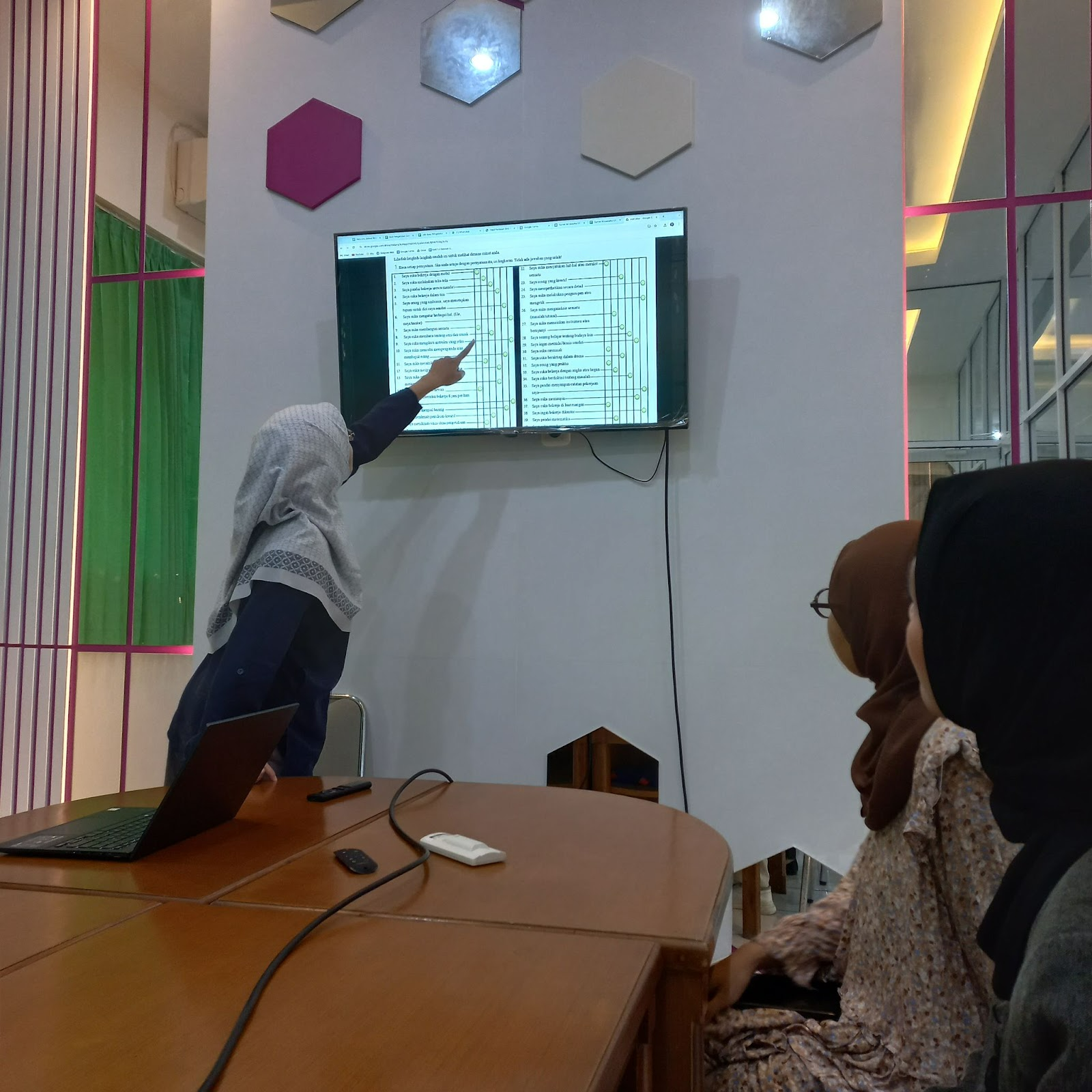
The study employs the RIASEC vocational interest model to map student profiles, focusing on the Enterprising (E) character that is closely associated with entrepreneurial tendencies. Through this mapping, the team expects to develop an entrepreneurship education approach that is more contextual, personalized, and aligned with student potential.
This initiative represents an implementation of the Tri Dharma of Higher Education, particularly the pillar of research, while also supporting the achievement of SDG 4 (Quality Education) and SDG 8 (Decent Work and Economic Growth). Expected outcomes of this research include publication in a Scopus-indexed international journal, Intellectual Property Rights (IPR) certification, an Implementation of Arrangement with partners, Guest Lecture certification, and scientific posters.
Through this collaboration, UNNES and UPI are committed to fostering innovation in entrepreneurship education based on vocational interests, ensuring that students pursue entrepreneurship not merely because of academic obligations but also through genuine interest and strong personal commitment.